

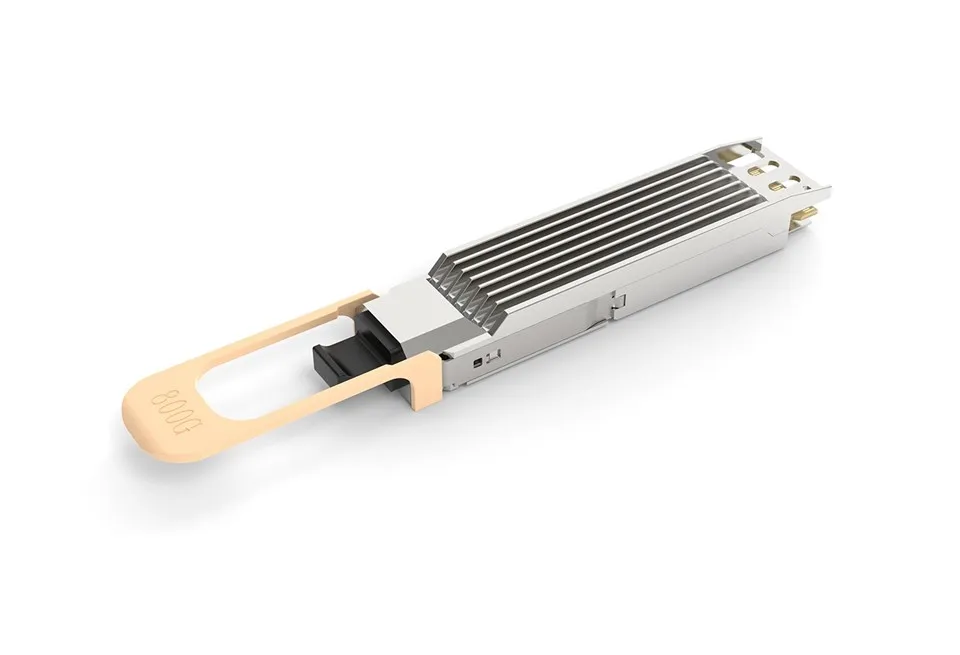
Hey there! As a supplier of 800G OSFP DR8+ products, I'm super excited to dive into the topic of signal isolation for these high - speed optical transceivers. Let's break it down and see what makes the signal isolation of 800G OSFP DR8+ so important.
First off, what's signal isolation? Well, in the world of optical transceivers, signal isolation is all about preventing interference between different signals. In the case of 800G OSFP DR8+, it's crucial because we're dealing with extremely high - speed data transmission. With 800 gigabits per second of data flying around, any kind of signal interference can lead to data errors, reduced performance, and even system failures.
The 800G OSFP DR8+ is designed to support high - density data center applications. It uses multiple channels to transmit and receive data, and each of these channels needs to be kept separate to ensure clean and accurate data transfer. Signal isolation helps in achieving this by creating a barrier between the different electrical and optical signals within the transceiver.
One of the main benefits of proper signal isolation in 800G OSFP DR8+ is improved signal integrity. When signals are isolated, they're less likely to be affected by noise, crosstalk, or electromagnetic interference (EMI). This means that the data being transmitted is more reliable, and the overall performance of the network is enhanced. For data centers that rely on high - speed connections for things like cloud computing, big data analytics, and artificial intelligence, this is a game - changer.
Another advantage is increased reliability. By preventing signal interference, the 800G OSFP DR8+ is less likely to experience malfunctions. This reduces downtime and maintenance costs for data center operators. In a business where every second of downtime can result in significant financial losses, having a reliable and interference - free transceiver is a must.
Now, let's talk about how the 800G OSFP DR8+ achieves signal isolation. There are several techniques used in its design. One common method is the use of physical barriers. Inside the transceiver, different components are separated by insulating materials. This helps to block electrical and magnetic fields from spreading and interfering with other parts of the device.
Optical isolation is also important. The 800G OSFP DR8+ uses optical components that are designed to keep the optical signals separate. This is especially important because optical signals can be very sensitive to interference. By using high - quality optical isolators, the transceiver can ensure that the light signals used for data transmission remain pure and undisturbed.
In addition to physical and optical isolation, there are also electrical isolation techniques. The transceiver uses specialized circuits and components that are designed to isolate the electrical signals. These circuits can filter out unwanted noise and prevent electrical interference from affecting the data being transmitted.
When comparing 800G OSFP DR8+ with other 800G optical transceivers, like the 800G QSFP - DD SR8, 800G OSFP 2×FR4, and 800G OSFP SR8, the signal isolation of 800G OSFP DR8+ has its unique features. Each of these transceivers is designed for different applications, but the 800G OSFP DR8+ stands out in terms of its ability to handle long - distance transmission while maintaining high - level signal isolation.
The 800G QSFP - DD SR8 is more suitable for short - range, high - density applications. It has its own signal isolation mechanisms, but the focus is more on fitting into smaller form factors and supporting short - reach connections. The 800G OSFP 2×FR4 is designed for medium - distance transmission, and its signal isolation is optimized for that specific use case. The 800G OSFP SR8, on the other hand, is great for short - distance, high - speed connections within a data center.
However, the 800G OSFP DR8+ combines the best of both worlds. It can handle long - distance transmission up to 2 kilometers, and its signal isolation is designed to maintain the integrity of the data over that distance. This makes it a versatile choice for data centers that need to connect different racks or buildings within a campus.
As a supplier, we've put a lot of effort into ensuring that our 800G OSFP DR8+ products have top - notch signal isolation. We use the latest manufacturing techniques and high - quality materials to build transceivers that meet the highest standards. Our R & D team is constantly working on improving the design to make the signal isolation even better.
If you're in the market for high - speed optical transceivers, especially for data center applications, the 800G OSFP DR8+ with its excellent signal isolation is definitely worth considering. Whether you're looking to upgrade your existing network or build a new one from scratch, our products can provide the reliability and performance you need.
We're always open to discussing your specific requirements. If you're interested in learning more about our 800G OSFP DR8+ products or want to start a procurement negotiation, feel free to reach out. We'll be happy to provide you with detailed product information, technical support, and competitive pricing.
In conclusion, the signal isolation of 800G OSFP DR8+ is a critical feature that sets it apart in the world of high - speed optical transceivers. It offers improved signal integrity, increased reliability, and the ability to handle long - distance transmission. As a supplier, we're committed to providing high - quality products that meet the evolving needs of the data center industry. So, if you're looking for a reliable partner for your optical transceiver needs, don't hesitate to get in touch.
References

- Industry reports on high - speed optical transceivers
- Technical specifications of 800G OSFP DR8+ and related products
- Research papers on signal isolation in optical communication systems