

In the realm of high - speed networking, the demand for greater bandwidth and faster data transfer rates has been on a relentless upward trajectory. As a leading OSFP 400G supplier, I am constantly engaged in discussions with network engineers, data center operators, and IT professionals about the capabilities and limitations of network switches, particularly regarding the maximum number of OSFP 400G ports they can support.

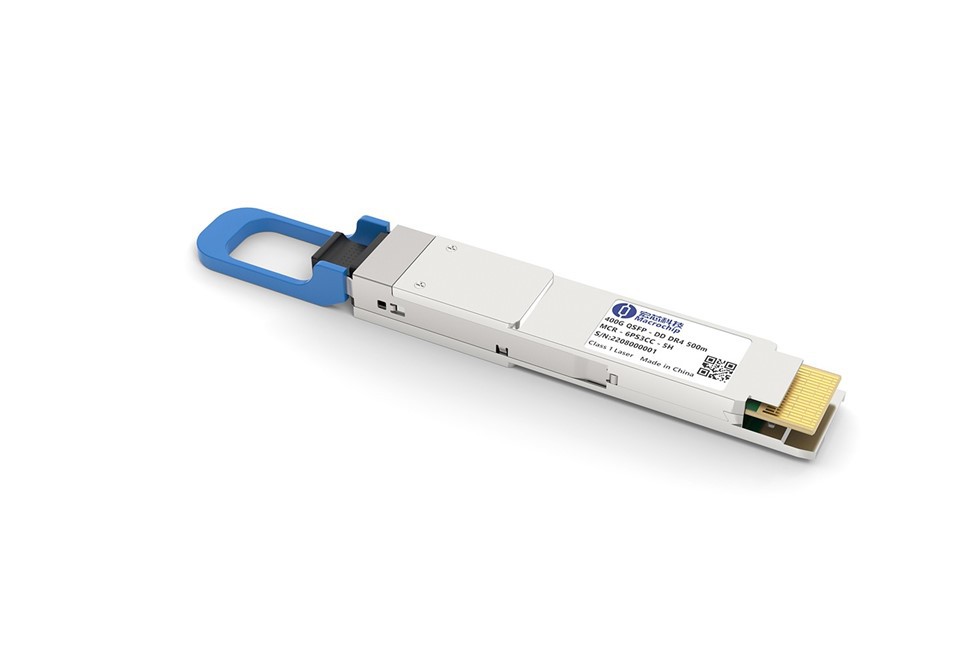
Understanding the OSFP 400G Interface
The OSFP (Octal Small Form - factor Pluggable) 400G interface is a key player in modern data center networking. It offers a high - density, high - speed solution for transmitting data at 400 gigabits per second. This interface is designed to meet the growing needs of data - intensive applications such as cloud computing, big data analytics, and high - performance computing.
The OSFP form factor is larger than some other pluggable interfaces, which allows it to dissipate heat more effectively and accommodate more complex electrical and optical components. However, this size also has implications for the number of ports that can be packed onto a single switch.
Factors Affecting the Maximum Number of OSFP 400G Ports on a Switch
1. Physical Space
One of the most obvious limiting factors is the physical space available on the switch chassis. Each OSFP 400G port requires a certain amount of real estate on the front panel of the switch. The size of the OSFP module, along with the need for proper spacing to ensure adequate ventilation and access for cable management, restricts the number of ports that can be physically installed.
2. Power Consumption
High - speed ports like OSFP 400G consume a significant amount of power. The power supply of a switch has a finite capacity, and adding more OSFP 400G ports means a proportionate increase in power consumption. If the switch's power supply cannot handle the additional load, it may lead to instability, overheating, or even system failures. Switch manufacturers need to carefully balance the number of ports with the power - handling capabilities of the device.
3. Switching Capacity
The switching capacity of a switch refers to its ability to forward data between different ports. A switch with a limited switching capacity may become a bottleneck if too many high - speed OSFP 400G ports are used simultaneously. The fabric inside the switch must be able to handle the aggregated traffic from all the ports without dropping packets or causing latency.
4. Thermal Management
As mentioned earlier, the OSFP 400G modules generate heat during operation. Proper thermal management is crucial to ensure the reliability and performance of the switch. The more ports there are on a switch, the more heat is generated, and the more sophisticated the cooling system needs to be. If the heat is not efficiently dissipated, it can lead to component degradation and reduced lifespan.
Current Market Scenarios and Capabilities
In the current market, switch vendors are constantly pushing the boundaries to increase the number of OSFP 400G ports on their devices. Some enterprise - grade switches can support up to 32 or even 64 OSFP 400G ports. These high - end switches are typically designed for large - scale data centers that require a massive amount of bandwidth.
However, for mid - sized data centers or smaller enterprises, switches with 8 - 16 OSFP 400G ports are more common. These switches offer a good balance between performance, cost, and manageability.
Comparison with Other 400G Interfaces
While OSFP 400G is a popular choice, there are other 400G interfaces available in the market. For example, the 400G QSFP112 DR4 and the 400G QSFP - DD DR4 are also widely used. The QSFP - based interfaces are smaller in size compared to OSFP, which allows for higher port density in some cases. However, they may have limitations in terms of power dissipation and performance in certain high - demand scenarios.
Another option is the QSFP DD LR4. It offers a balance between the small form factor of QSFP - based modules and the performance requirements of long - reach applications. When considering the maximum number of ports, the choice between these interfaces also depends on the specific needs of the network, such as reach, power consumption, and cost.
Future Trends
Looking ahead, the trend is towards even higher port densities and more efficient use of resources. Switch manufacturers are likely to develop technologies that reduce the power consumption of OSFP 400G ports, allowing for more of them to be installed on a single switch without overloading the power supply.
In addition, advancements in thermal management and switching fabric technology will enable switches to handle more traffic from a larger number of high - speed ports. This will be crucial as the demand for bandwidth continues to grow exponentially.
Why Choose Our OSFP 400G Products
As a supplier of OSFP 400G products, we offer several advantages. Our modules are designed with the latest technology to ensure high performance, reliability, and energy efficiency. We have a strict quality control process in place to guarantee that each product meets the highest industry standards.
Our team of experts is always available to provide technical support and advice on how to optimize the use of OSFP 400G ports in your network. Whether you are a small business looking to upgrade your network or a large data center operator in need of high - end solutions, we have the products and expertise to meet your requirements.
Contact Us for Procurement
If you are interested in learning more about our OSFP 400G products or have specific questions regarding the maximum number of OSFP 400G ports on a switch for your network, we encourage you to contact us for procurement discussions. Our sales team will be more than happy to assist you in finding the best solutions tailored to your needs.
References
- Industry reports on high - speed networking technologies
- Technical specifications of major switch vendors
- Whitepapers on optical transceiver interfaces and their applications