

As a supplier of 200G QSFP56 DR4 optical transceivers, I often get asked about the rated temperature range for these high - performance devices. In this blog, I'll delve into the details of the rated temperature range for 200G QSFP56 DR4, its significance, and how it impacts the performance and reliability of the transceivers.
Understanding 200G QSFP56 DR4
Before we discuss the temperature range, let's briefly understand what 200G QSFP56 DR4 is. The 200G QSFP56 DR4 is a high - speed optical transceiver module designed for data center applications. It uses four lanes of 50Gbps to achieve a total data rate of 200Gbps. With the increasing demand for high - speed data transmission in modern data centers, 200G QSFP56 DR4 has become a popular choice due to its high - bandwidth capabilities and compact form factor.

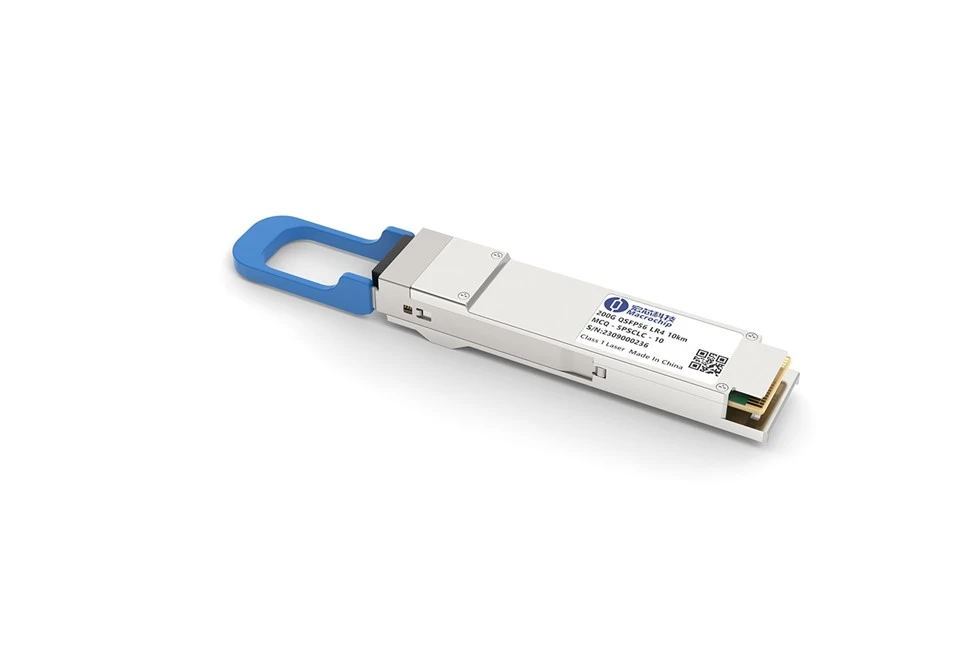
The Rated Temperature Range
The rated temperature range for 200G QSFP56 DR4 typically falls between 0°C to 70°C. This range is set based on the design and the materials used in the transceiver.
Why is the Temperature Range Important?
- Performance: Temperature has a significant impact on the performance of optical transceivers. At lower temperatures, the electrical and optical components may operate more slowly, which can lead to a decrease in data transmission speed. On the other hand, at higher temperatures, the components may overheat, causing signal degradation, increased bit error rates, and even permanent damage to the transceiver.
- Reliability: A transceiver operating within its rated temperature range is more likely to have a longer lifespan. Exceeding the temperature limits can cause thermal stress on the components, leading to premature failure. For example, if a 200G QSFP56 DR4 is continuously operated at a temperature above 70°C, the internal lasers may degrade faster, reducing the overall reliability of the transceiver.
Impact of Temperature on Different Components
- Lasers: Lasers are one of the most critical components in an optical transceiver. The output power and wavelength of lasers are highly temperature - dependent. As the temperature increases, the output power of the laser may decrease, and the wavelength may shift. This can lead to signal loss and errors in data transmission.
- Electronic Components: The electronic components in the transceiver, such as the driver and receiver chips, also have specific temperature requirements. High temperatures can cause the resistance of the electronic components to increase, leading to power dissipation and potential malfunctions.
Operating Conditions and Temperature Management
To ensure the optimal performance and reliability of 200G QSFP56 DR4, it is essential to maintain the operating environment within the rated temperature range.
Data Center Cooling
Data centers are the primary application environment for 200G QSFP56 DR4. Proper cooling systems are crucial to keep the temperature within the acceptable range. Most data centers use air - cooling or liquid - cooling systems to maintain a stable temperature. Air - cooling systems use fans to circulate cool air through the racks, while liquid - cooling systems use chilled water to remove heat from the equipment.
Thermal Design of the Transceiver
The thermal design of the 200G QSFP56 DR4 itself also plays an important role. Transceivers are designed with heat sinks and other thermal management features to dissipate heat effectively. These features help to keep the internal temperature of the transceiver within the rated range, even in high - temperature environments.
Comparison with Other Transceivers
When considering the rated temperature range, it's interesting to compare 200G QSFP56 DR4 with other similar transceivers. For example, the QSFP LR4 and 200G QSFP56 LR4 have different temperature requirements. The LR4 transceivers are designed for longer - distance transmissions and may have a different temperature range due to the different optical and electrical components used.
Applications and Temperature Considerations
- Data Center Interconnects: In data center interconnect applications, 200G QSFP56 DR4 is used to connect different racks or data centers. These environments often have strict temperature control requirements to ensure reliable data transmission. If the temperature is not properly managed, it can lead to network outages and data loss.
- High - Performance Computing: High - performance computing clusters also rely on high - speed optical transceivers like 200G QSFP56 DR4. These clusters generate a significant amount of heat, and the temperature management becomes even more critical to maintain the performance of the system.
Optical Module Single Mode and Temperature
The Optical Module Single Mode used in 200G QSFP56 DR4 also has its own temperature characteristics. Single - mode optical modules are more sensitive to temperature changes compared to multi - mode modules. The refractive index of the single - mode fiber can change with temperature, which can affect the signal propagation and quality.
Conclusion
In conclusion, the rated temperature range of 0°C to 70°C for 200G QSFP56 DR4 is a crucial factor that affects its performance and reliability. Understanding the impact of temperature on the transceiver and implementing proper temperature management strategies are essential for ensuring the smooth operation of data centers and other high - speed communication systems.
If you are interested in purchasing 200G QSFP56 DR4 optical transceivers or have any questions about their temperature requirements and performance, please feel free to contact us for further discussion and procurement negotiation.
References
- "Optical Transceiver Technology and Applications" - A comprehensive guide on optical transceiver technology, which provides in - depth information on the temperature characteristics of different types of transceivers.
- "Data Center Cooling Best Practices" - A white paper that discusses the importance of temperature management in data centers and provides practical solutions for maintaining the optimal temperature environment.