

As a trusted supplier of 400G QSFP - DD DR4 optical transceivers, I often encounter inquiries regarding the peak power of these high - performance modules. Understanding the peak power of 400G QSFP - DD DR4 is crucial for network operators, data center managers, and other professionals who rely on high - speed, reliable data transmission.
The Basics of 400G QSFP - DD DR4
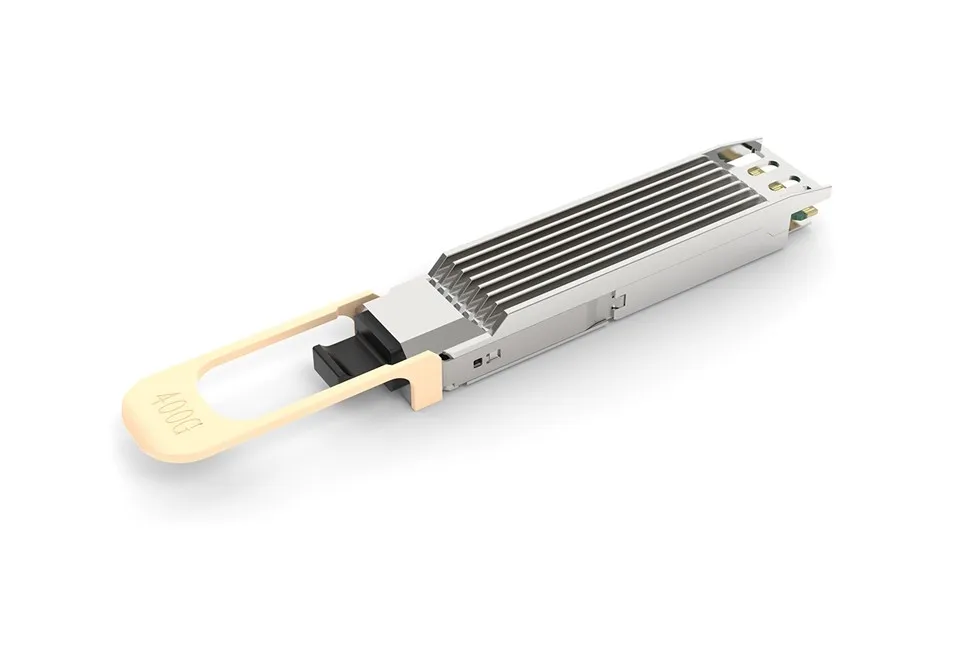
Before delving into the peak power, let's briefly introduce the 400G QSFP - DD DR4. The QSFP - DD (Quad Small Form - factor Pluggable Double Density) is a next - generation, high - density, high - speed optical transceiver form factor. The "400G" indicates its data rate of 400 Gigabits per second, which is essential for modern data - intensive applications such as cloud computing, big data analytics, and high - definition video streaming.
The "DR4" in 400G QSFP - DD DR4 refers to a specific type of optical transmission technology. It uses four lanes of 100Gbps each, with each lane operating at a wavelength of around 850nm, typically over multi - mode fiber (MMF) with a reach of up to 100 meters. This technology provides a cost - effective and high - performance solution for short - range, high - speed data connections within data centers.
Defining Peak Power
Peak power in the context of optical transceivers like the 400G QSFP - DD DR4 is the maximum amount of optical power that the transceiver can emit during normal operation. It is usually measured in milliwatts (mW) or decibels relative to one milliwatt (dBm). The peak power is an important parameter because it directly affects the signal strength and the quality of data transmission.
A higher peak power generally means a stronger optical signal, which can travel further without significant attenuation and is more resistant to noise and interference. However, there are also limitations and trade - offs. Excessive peak power can cause issues such as increased power consumption, higher heat generation, and potential damage to the optical fibers or other components in the network.
Factors Affecting the Peak Power of 400G QSFP - DD DR4
Several factors influence the peak power of a 400G QSFP - DD DR4 transceiver:
1. Laser Technology
The type of laser used in the transceiver is a major determinant of peak power. 400G QSFP - DD DR4 transceivers typically use vertical - cavity surface - emitting lasers (VCSELs). VCSELs are known for their relatively low power consumption, high - speed operation, and good beam quality. The design and manufacturing quality of the VCSELs can significantly impact the peak power output. High - quality VCSELs can provide more stable and higher peak power.
2. Modulation Scheme
The modulation scheme employed in the transceiver also affects the peak power. For 400G QSFP - DD DR4, pulse - amplitude modulation (PAM4) is commonly used. PAM4 encodes two bits per symbol, which allows for higher data rates. However, the PAM4 modulation scheme requires a certain level of peak power to ensure accurate symbol detection at the receiver end. The efficiency of the PAM4 modulation process can influence how much peak power is needed to achieve reliable data transmission.
3. Temperature
Temperature has a significant impact on the peak power of optical transceivers. As the temperature increases, the performance of the lasers and other components in the 400G QSFP - DD DR4 can degrade. Higher temperatures can cause a decrease in peak power output, as well as an increase in the error rate. Therefore, proper thermal management is essential to maintain the peak power and overall performance of the transceiver.
4. Fiber Characteristics
The characteristics of the optical fiber, such as its attenuation, dispersion, and mode field diameter, can also affect the peak power requirements. For 400G QSFP - DD DR4, which is designed for use with multi - mode fiber, the quality and type of the fiber can impact how much peak power is needed to achieve a certain reach and data rate. Higher - quality fibers with lower attenuation may require less peak power to transmit data over the same distance.
Typical Peak Power Values of 400G QSFP - DD DR4
The typical peak power of a 400G QSFP - DD DR4 transceiver can vary depending on the manufacturer and the specific design. Generally, the peak power of a 400G QSFP - DD DR4 transceiver is in the range of a few milliwatts to tens of milliwatts. For example, some transceivers may have a peak power output of around 3 - 5mW per lane, which translates to a total peak power of 12 - 20mW for the four - lane 400G QSFP - DD DR4 module.
It's important to note that these values are approximate and can be affected by the factors mentioned above. When selecting a 400G QSFP - DD DR4 transceiver, it's crucial to consider the peak power requirements of your specific application and network environment.

Importance of Peak Power in Network Design
The peak power of 400G QSFP - DD DR4 transceivers plays a vital role in network design. In data centers, for instance, the proper selection of transceivers with appropriate peak power is essential for building a reliable and efficient network infrastructure.
1. Signal Reach
The peak power directly affects the signal reach of the transceiver. A higher peak power allows the optical signal to travel further without significant attenuation. This is particularly important in large - scale data centers where the distance between servers and switches can be considerable. By choosing transceivers with the right peak power, network designers can ensure that the data can be transmitted over the required distances without the need for additional signal boosters or repeaters.
2. Network Scalability
As data centers grow and the demand for higher data rates increases, network scalability becomes a critical factor. Transceivers with appropriate peak power can support the addition of more devices and higher - speed connections without sacrificing performance. This allows data centers to easily expand their network capacity as needed.
3. Energy Efficiency
While a higher peak power can provide better signal quality and reach, it also means higher power consumption. In today's energy - conscious world, energy efficiency is a major concern for data center operators. Therefore, it's important to strike a balance between peak power and power consumption. Selecting transceivers with optimized peak power can help reduce the overall energy consumption of the network while still maintaining high - performance data transmission.
Related Products and Their Peak Power Considerations
In addition to the 400G QSFP - DD DR4, there are other related optical transceiver products in the market, such as the 400G OSFP DR4, Optical Module 400G, and QDD 400G LR4 10.
The 400G OSFP DR4 is another high - speed optical transceiver form factor. It also uses the DR4 technology but has a different physical form and may have different peak power characteristics compared to the 400G QSFP - DD DR4. The Optical Module 400G is a broader category that encompasses various types of 400G optical transceivers, each with its own peak power requirements based on the specific transmission technology and application. The QDD 400G LR4 10 is designed for longer - range applications, typically over single - mode fiber, and may require a different peak power level to achieve its specified reach.
Contact Us for 400G QSFP - DD DR4 Procurement
If you are in the market for high - quality 400G QSFP - DD DR4 transceivers, we are here to help. As a leading supplier, we offer a wide range of 400G QSFP - DD DR4 products with optimized peak power and excellent performance. Our team of experts can assist you in selecting the right transceivers for your specific network requirements. Whether you need to build a new data center network or upgrade an existing one, we have the solutions you need. Contact us today to start a procurement discussion and take your network to the next level.
References
- Optical Fiber Communication Systems, Third Edition by G. P. Agrawal
- Data Center Networking: Technologies, Standards, and Practices by Andrew Froehlich
- IEEE Standards for 400 Gigabit Ethernet and Related Technologies