

As a supplier of 2x200G OSFP FR4 optical transceivers, I often get asked about the hot-swappable feature of these devices. In this blog post, I'll delve into the topic to provide a comprehensive answer.
Understanding Hot-Swapping
Hot-swapping refers to the ability to insert or remove a component from a system while the system is still operational. This feature is highly desirable in data centers and networking environments because it allows for maintenance and upgrades without having to shut down the entire system, which can save a significant amount of time and money.
Is 2x200G OSFP FR4 Hot-Swappable?
The short answer is yes, most 2x200G OSFP FR4 optical transceivers are designed to be hot-swappable. This is a standard feature in many modern optical transceiver modules, including the 2x200G OSFP FR4.

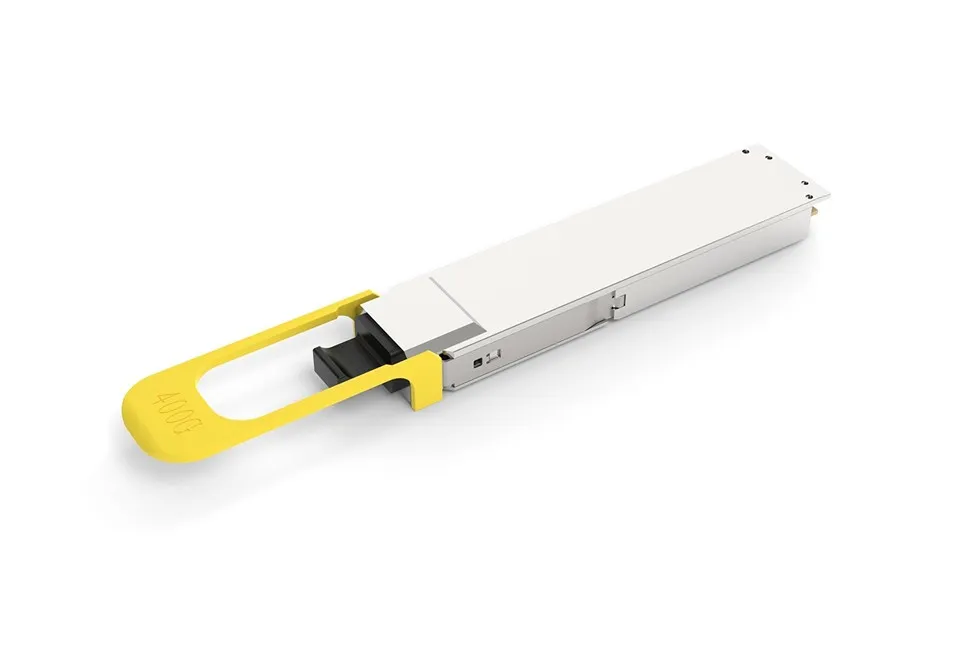
The reason behind this design choice is to meet the high - availability requirements of data centers. In a data center, downtime can be extremely costly, both in terms of lost revenue and potential damage to a company's reputation. By allowing hot - swapping of optical transceivers, network administrators can replace a faulty module or upgrade to a new one without disrupting the ongoing data transmission.
Technical Considerations for Hot - Swapping 2x200G OSFP FR4
However, there are some technical aspects that need to be considered when hot - swapping 2x200G OSFP FR4 transceivers.
Firstly, the host device (such as a switch or a router) must support hot - swapping. Not all network devices are created equal, and some older or less advanced models may not have the necessary hardware and software capabilities to handle hot - swapping safely. Before attempting to hot - swap a 2x200G OSFP FR4 transceiver, it is crucial to check the documentation of the host device to ensure that it supports this feature.
Secondly, electrostatic discharge (ESD) protection is essential. When inserting or removing an optical transceiver, there is a risk of ESD, which can damage the transceiver or the host device. To prevent this, proper ESD protection measures should be taken. This includes wearing an ESD wrist strap and ensuring that the work area is ESD - safe.
Another important consideration is the signal integrity. Hot - swapping can potentially cause signal disruptions, especially if the process is not carried out correctly. To minimize these disruptions, the 2x200G OSFP FR4 transceiver should be inserted and removed in a smooth and controlled manner. Additionally, the host device may need to be configured to handle the transient signals that occur during hot - swapping.
Benefits of Hot - Swappable 2x200G OSFP FR4
The hot - swappable feature of 2x200G OSFP FR4 transceivers brings several benefits.
One of the most significant benefits is increased system availability. As mentioned earlier, in a data center environment, every minute of downtime can be costly. With hot - swapping, network administrators can quickly replace a malfunctioning transceiver without shutting down the entire system, ensuring that the network remains operational.
Another benefit is ease of maintenance and upgrades. Instead of having to schedule a maintenance window during off - peak hours, network administrators can perform maintenance tasks on the fly. This not only saves time but also reduces the complexity of network management.
In addition, hot - swapping allows for more flexible network configurations. If a network needs to be reconfigured or upgraded, the 2x200G OSFP FR4 transceivers can be easily replaced without having to power down the entire system. This enables faster deployment of new network technologies and better adaptation to changing business needs.
Comparison with Other Optical Transceivers
When comparing the 2x200G OSFP FR4 with other optical transceivers, such as the 400G OSFP DR4 and 400G FR4, the hot - swappable feature is generally consistent across the board. Most modern optical transceivers, regardless of their data rate or form factor, are designed to be hot - swappable to meet the needs of high - availability networks.
However, there may be some differences in the specific implementation of the hot - swapping feature. For example, the 2x200G OSFP FR4 may have different power requirements or signal characteristics compared to the 400G variants, which could affect the hot - swapping process. It is important to refer to the specific product documentation for each type of transceiver to understand these differences.
The Role of OSFP in Modern Networks
The OSFP Optical Transceiver form factor has become increasingly popular in modern networks due to its high data rate capabilities and compact size. The 2x200G OSFP FR4 is a prime example of this trend, offering a high - performance solution for data center interconnects.
The hot - swappable feature of the 2x200G OSFP FR4 further enhances its suitability for modern networks. As data centers continue to grow in size and complexity, the ability to perform maintenance and upgrades without downtime is becoming more and more critical. The OSFP form factor, with its hot - swappable 2x200G FR4 transceivers, provides a reliable and efficient solution for meeting these requirements.
Conclusion and Call to Action
In conclusion, the 2x200G OSFP FR4 is indeed hot - swappable, offering significant benefits in terms of system availability, ease of maintenance, and network flexibility. However, proper technical considerations must be taken into account to ensure a smooth and safe hot - swapping process.
If you're in the market for 2x200G OSFP FR4 optical transceivers or have any questions about their hot - swappable feature, I'd be more than happy to assist you. Feel free to reach out to us for more information and to discuss your specific requirements. We are committed to providing high - quality optical transceivers and excellent customer service.
References
- Industry standards documents for optical transceivers
- Technical specifications of 2x200G OSFP FR4, 400G OSFP DR4, and 400G FR4 transceivers
- Whitepapers on data center networking and optical transceiver technologies