

As a supplier of 800G OSFP DR8 transceivers, I often get asked about the output power stability of these high - speed optical devices. So, let's dive into what output power stability means for 800G OSFP DR8 and why it's a crucial factor in the world of high - speed data transmission.
First off, what is 800G OSFP DR8? Well, it's an optical transceiver module that operates at an 800 Gigabit per second data rate. The OSFP (Octal Small Form - factor Pluggable) is a hot - pluggable interface, and the DR8 stands for Direct Attach - 8, which indicates its specific application for direct - attach optical links. You can learn more about it 800G OSFP DR8.
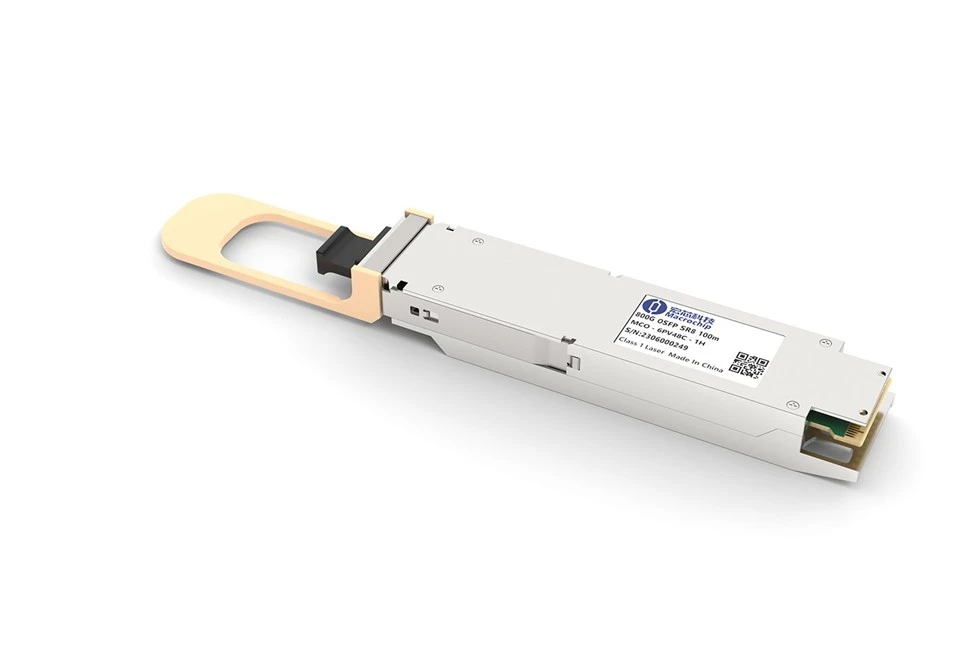

Output power stability refers to the ability of the transceiver to maintain a consistent output optical power over time, across different operating conditions. This is super important because in high - speed data transmission, even a small fluctuation in output power can lead to signal degradation, increased bit error rates, and ultimately, unreliable data transfer.
Let's talk about the factors that can affect the output power stability of 800G OSFP DR8. One of the main factors is temperature. Optical components are sensitive to temperature changes. When the temperature rises, the performance of the lasers and other optical elements in the transceiver can degrade. For example, the output power of a laser might decrease as the temperature goes up. To counter this, our 800G OSFP DR8 transceivers are equipped with advanced temperature compensation mechanisms. These mechanisms adjust the drive current of the lasers to maintain a stable output power, even when the temperature varies.
Another factor is aging. Over time, the performance of the optical components in the transceiver can change. Lasers, in particular, can experience a gradual decrease in efficiency, which can lead to a reduction in output power. Our 800G OSFP DR8 transceivers are designed with high - quality components and advanced manufacturing processes to minimize the effects of aging. We also perform rigorous testing during the manufacturing process to ensure that each transceiver meets our high standards for long - term output power stability.
The quality of the power supply also plays a role in output power stability. A stable and clean power supply is essential for the proper operation of the transceiver. Any fluctuations or noise in the power supply can cause variations in the output power of the transceiver. Our 800G OSFP DR8 transceivers are designed to be tolerant of a certain range of power supply variations, but it's still recommended to use a high - quality power source to ensure optimal performance.
Now, let's compare the output power stability of 800G OSFP DR8 with other similar transceivers, like the 800G OSFP SR8. The SR8 is designed for short - reach applications, while the DR8 is for longer - reach direct - attach links. In general, the output power requirements and stability characteristics can differ between the two. The DR8 typically needs to maintain a more stable output power over longer distances, as signal attenuation is a bigger concern. Our 800G OSFP DR8 transceivers are engineered to provide excellent output power stability, even over extended distances, thanks to their advanced optical design and power management features.
The 800G OSFP DR8 uses Single Mode 1310nm wavelength for data transmission. This wavelength is well - suited for long - distance communication because it has lower attenuation compared to other wavelengths. The stability of the output power at this wavelength is crucial for reliable data transfer. Our transceivers are optimized to maintain a stable output power at the 1310nm wavelength, ensuring that the data can be transmitted accurately over long distances.
In real - world applications, the output power stability of 800G OSFP DR8 is put to the test. Data centers, for example, rely on high - speed and reliable data transmission. Any instability in the output power of the transceivers can lead to network outages or slowdowns. Our 800G OSFP DR8 transceivers have been tested in various data center environments and have proven to provide consistent output power, even under heavy traffic loads.
To measure the output power stability of our 800G OSFP DR8 transceivers, we use a variety of testing equipment and techniques. We monitor the output power over an extended period of time, under different temperature and environmental conditions. We also perform stress tests to simulate real - world scenarios and ensure that the transceivers can maintain a stable output power even in challenging situations.
In conclusion, the output power stability of 800G OSFP DR8 is a critical factor in high - speed data transmission. Our 800G OSFP DR8 transceivers are designed and manufactured to provide excellent output power stability, thanks to advanced temperature compensation, high - quality components, and rigorous testing. If you're in the market for high - performance 800G OSFP DR8 transceivers, we'd love to have a chat with you. Whether you're building a new data center or upgrading an existing network, our transceivers can meet your needs. Contact us for a detailed discussion on how our products can fit into your project.
References
- Industry standards and specifications for 800G optical transceivers
- Internal testing reports of our 800G OSFP DR8 transceivers
- Technical documentation of optical components used in 800G OSFP DR8 transceivers