

Hey there! As a supplier of 400G OSFP DR4+ transceivers, I'm super stoked to chat with you about the power - saving modes of these awesome devices. In today's tech - crazy world, energy efficiency is a big deal, and 400G OSFP DR4+ modules are no exception.
Let's start by understanding what 400G OSFP DR4+ is all about. The 400G OSFP DR4+ is a high - speed optical transceiver module that's designed to handle data rates of up to 400 gigabits per second. It's used in a wide range of applications, from data centers to high - performance computing. And when it comes to power consumption, finding ways to save energy can lead to significant cost savings and a more sustainable operation.
One of the key power - saving modes of the 400G OSFP DR4+ is the low - power mode. In this mode, the transceiver reduces its power consumption by adjusting the internal components. For example, it might lower the output power of the lasers or reduce the clock speed of some of the digital circuits. This is especially useful when the network traffic is low. Let's say your data center has periods of inactivity during the night. By enabling the low - power mode, you can cut down on unnecessary power usage, which in turn saves you some serious cash on your electricity bill.
Another power - saving feature is the sleep mode. When the transceiver is not actively transmitting or receiving data, it can enter sleep mode. In this state, most of the internal components are powered down, except for a few essential ones that are needed to wake the device up quickly when data starts flowing again. It's like putting your transceiver to bed when it's not working, so it doesn't waste energy. This mode is great for networks where there are long periods of idle time between data transmissions.
Now, let's talk about how these power - saving modes compare to other types of optical transceivers. Take the Optical Transceiver Module for example. While many optical transceivers have power - saving features, the 400G OSFP DR4+ is specifically optimized for high - speed data transfer while still keeping power consumption in check. The QSFP DD LR4 and QSFP112 are also high - performance transceivers, but the 400G OSFP DR4+ offers a unique combination of power efficiency and high - speed capabilities.

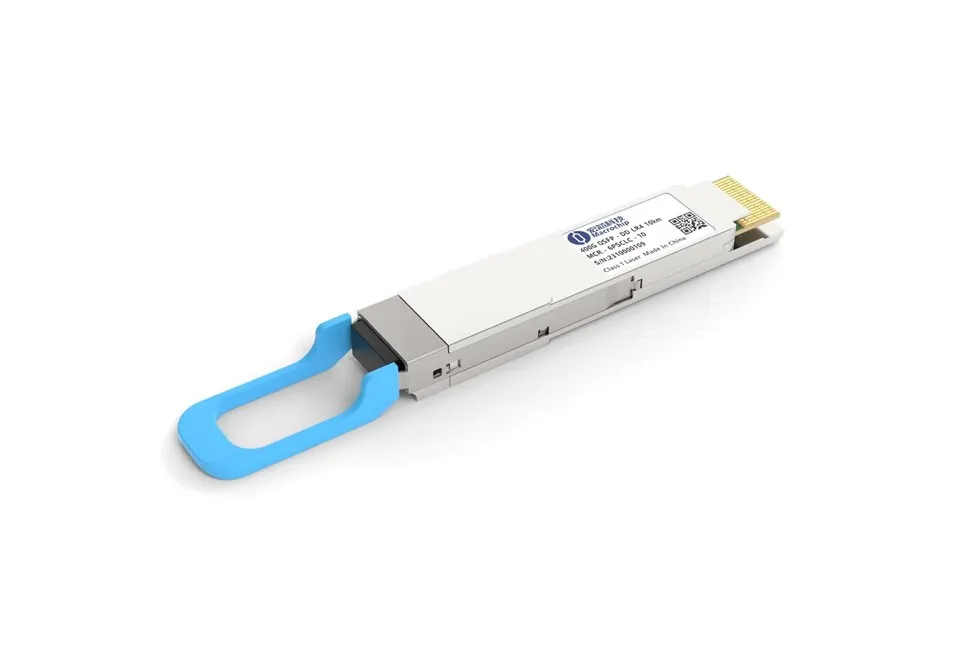
The implementation of these power - saving modes is relatively straightforward. Most modern network switches and routers support the configuration of these modes. You can usually enable or disable them through the device's management interface. For instance, if you're using a Cisco switch, you can log into the switch's web - based interface and navigate to the transceiver settings to set up the low - power or sleep modes.
It's important to note that while these power - saving modes are great for reducing energy consumption, you need to make sure they don't compromise the performance of your network. For example, if you set the low - power mode too aggressively, it might cause a delay in data transmission or even lead to packet loss. So, it's a bit of a balancing act. You need to find the right settings that work best for your specific network environment.
When it comes to the long - term benefits, the power - saving modes of the 400G OSFP DR4+ can have a huge impact. Not only do they save you money on energy costs, but they also contribute to a greener environment. In today's world, where sustainability is a top priority for many businesses, using energy - efficient transceivers like the 400G OSFP DR4+ can help you meet your environmental goals.
Moreover, these power - saving features can also extend the lifespan of the transceiver. By reducing the heat generated during normal operation, the internal components are less likely to wear out quickly. This means you won't have to replace your transceivers as often, which is another cost - saving benefit in the long run.
If you're in the market for high - speed, energy - efficient optical transceivers, the 400G OSFP DR4+ is definitely worth considering. Whether you're running a small - scale data center or a large - enterprise network, the power - saving modes can make a real difference in your bottom line.
So, if you're interested in learning more about the 400G OSFP DR4+ or have any questions about how to implement these power - saving modes in your network, don't hesitate to reach out. We're here to help you make the best choice for your network needs. Let's start a conversation and see how we can work together to optimize your network's performance while keeping energy costs down.
References:
- Industry reports on optical transceiver power consumption
- Technical specifications of 400G OSFP DR4+ transceivers
- Whitepapers on energy - efficient networking solutions