

Hey there! As a supplier of 200G transceivers, I often get asked about the cooling requirements for these high - speed devices. So, let's dive right into it.
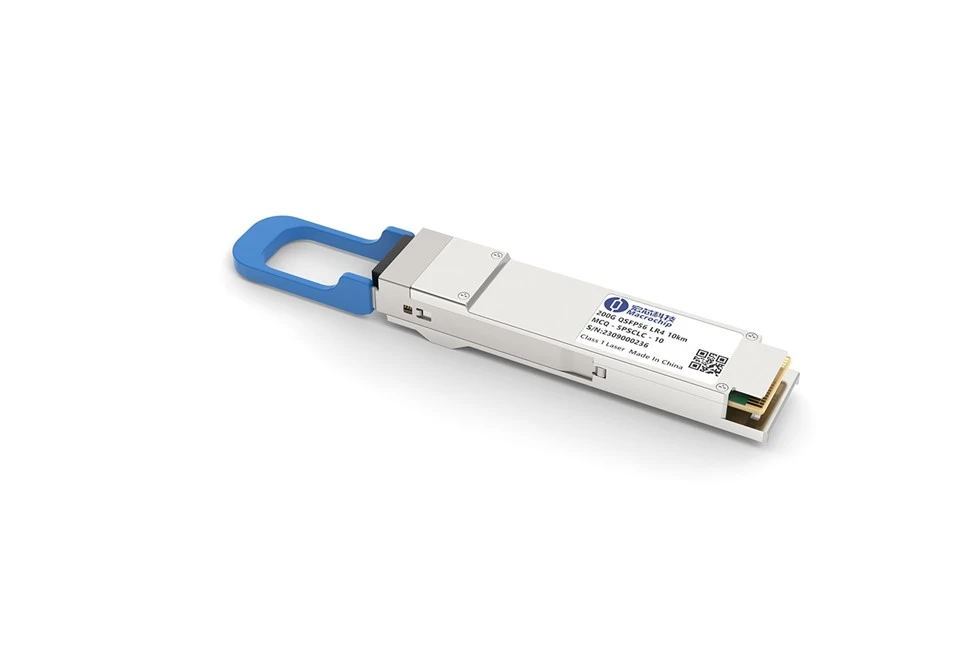
First off, what exactly are 200G transceivers? These little guys are crucial components in modern data centers and high - speed networks. They're responsible for converting electrical signals into optical signals and vice versa at an incredibly fast rate of 200 gigabits per second. There are different types of 200G transceivers, like the 200G QSFP56 LR4 and QSFP 200G. They come in handy for long - range and short - range transmissions, respectively, and are used in various applications such as cloud computing, high - performance computing, and enterprise networking.
Now, let's talk about why cooling is such a big deal for 200G transceivers. When these transceivers are operating at high speeds, they generate a significant amount of heat. Heat is the enemy of electronics. Excessive heat can cause a whole bunch of problems, like reduced performance, shorter lifespan, and even complete failure of the transceiver. So, proper cooling is essential to keep these devices running smoothly and efficiently.
One of the key factors that determine the cooling requirements is the power consumption of the 200G transceivers. Higher power consumption means more heat generation. For instance, some of the advanced 200G QSFP56 LR4 transceivers can consume anywhere from 3 to 7 watts of power. That might not sound like a lot, but when you have multiple transceivers in a rack or a data center, the heat adds up quickly.
Another factor is the ambient temperature of the environment where the transceivers are installed. If the room temperature is already high, it becomes even more challenging to dissipate the heat generated by the transceivers. In data centers, the recommended ambient temperature is usually between 18°C and 27°C (64°F and 81°F). But in some cases, especially in areas with poor ventilation or high - density equipment, the temperature can go well above this range.
So, what are the different cooling methods available for 200G transceivers?
Air Cooling
Air cooling is the most common and cost - effective method. It involves using fans to blow cool air over the transceivers. Most data center racks are equipped with built - in fans that provide a constant flow of air. The fans draw in cool air from the front of the rack and expel the hot air out of the back. This creates a natural airflow that helps to keep the transceivers cool.

However, air cooling has its limitations. It might not be sufficient for high - density racks or in environments with high ambient temperatures. Also, the effectiveness of air cooling depends on the proper placement of the fans and the design of the rack. If the airflow is blocked or disrupted, the cooling efficiency will be reduced.
Liquid Cooling
Liquid cooling is a more advanced and efficient cooling method. It involves using a liquid coolant, such as water or a specialized coolant, to absorb the heat from the transceivers. The coolant is circulated through a series of pipes or channels that are in close contact with the transceivers. The heated coolant is then pumped to a heat exchanger, where it releases the heat and is cooled down before being recirculated.
Liquid cooling can provide much better cooling performance compared to air cooling, especially for high - power 200G transceivers. It can handle higher heat loads and is less affected by ambient temperature. However, it is also more expensive and complex to install and maintain. You need to have a proper infrastructure in place, including a cooling system, pipes, pumps, and a heat exchanger.
Hybrid Cooling
Hybrid cooling combines the advantages of both air cooling and liquid cooling. It uses air cooling as the primary cooling method and liquid cooling as a supplementary method for high - heat areas. For example, in a data center rack, the fans can provide general air cooling, while liquid cooling can be used for specific transceivers that generate a lot of heat.
Hybrid cooling offers a good balance between cost and performance. It can provide sufficient cooling for most 200G transceivers while keeping the installation and maintenance costs relatively low.
Now, let's talk about how to ensure that the cooling requirements are met in a real - world scenario.
First of all, proper rack design is crucial. The rack should be designed to allow for good airflow. There should be enough space between the transceivers to prevent heat buildup. Also, the fans should be strategically placed to ensure that the air is flowing evenly over all the transceivers.
Secondly, regular monitoring of the temperature is essential. You can use temperature sensors to measure the temperature of the transceivers and the ambient environment. If the temperature exceeds the recommended range, you can take corrective actions, such as adjusting the fan speed or increasing the liquid coolant flow.
Finally, it's important to choose the right type of 200G transceivers based on your cooling capabilities. If you have limited cooling resources, you might want to opt for transceivers with lower power consumption. On the other hand, if you have a high - end cooling system in place, you can choose more powerful transceivers that offer better performance.
As a 200G transceiver supplier, I understand the importance of getting the cooling requirements right. We offer a wide range of 200G QSFP56 LR4, QSFP 200G, and Optical Module Single Mode products that are designed to meet the diverse needs of our customers. Whether you're a small business or a large data center operator, we can help you find the right transceivers and provide guidance on the best cooling solutions.
If you're interested in learning more about our 200G transceivers or have any questions about cooling requirements, feel free to reach out to us. We're always here to help you make the right decisions for your network infrastructure.
References
- “Data Center Cooling Best Practices.” TechTarget.
- “Optical Transceivers: A Comprehensive Guide.” LightCounting.
- “High - Speed Network Transceivers and Their Cooling Requirements.” IEEE Journal of Lightwave Technology.