

As a supplier of 2×200G OSFP FR4, I often get asked if these transceivers can be used in a harsh industrial environment. It's a valid question, considering the tough conditions that industrial settings can present. In this blog, I'll share my insights on this topic and help you understand whether 2×200G OSFP FR4 is a good fit for your industrial needs.

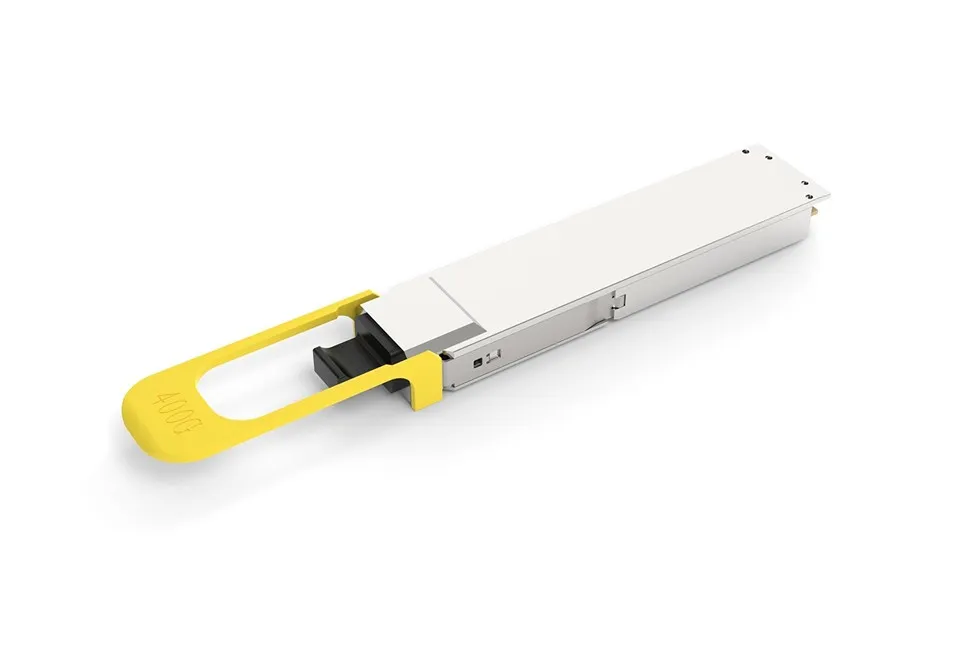
Understanding 2×200G OSFP FR4
First off, let's quickly go over what 2×200G OSFP FR4 is. The OSFP (Octal Small Form-factor Pluggable) is a high - speed optical transceiver form factor. The "2×200G" indicates that it can support two independent 200G data streams. The "FR4" stands for 4 - lane multimode fiber with a reach of up to 2km over OM3/OM4 multimode fiber.
These transceivers are designed for high - speed data transmission in data centers and networking environments. They offer a compact design and high bandwidth, making them popular for applications where space and speed are crucial.
Harsh Industrial Environments: What Makes Them Challenging?
Industrial environments are known for their harsh conditions. Here are some of the challenges they present:
- Temperature Extremes: Industrial sites can experience very high or very low temperatures. For example, in a steel mill, temperatures can soar well above 100°C, while in cold storage facilities, they can drop below freezing.
- Vibration and Shock: Machinery in industrial settings can generate significant vibrations and shocks. This can cause physical damage to components and disrupt data transmission.
- Dust and Humidity: Dust particles and high humidity levels are common in industrial areas. Dust can clog the optical ports of transceivers, and humidity can lead to corrosion.
- Electromagnetic Interference (EMI): Industrial equipment often produces strong electromagnetic fields that can interfere with the proper functioning of electronic devices, including optical transceivers.
Can 2×200G OSFP FR4 Withstand Harsh Industrial Conditions?
Now, let's get to the main question. Can 2×200G OSFP FR4 be used in a harsh industrial environment? The answer isn't a simple yes or no.
- Temperature Resistance: Most standard 2×200G OSFP FR4 transceivers are designed for a temperature range of 0°C to 70°C. In some industrial environments, this may be sufficient. However, if the temperature goes beyond this range, the performance of the transceiver can be affected. For example, at extremely high temperatures, the internal components may overheat, leading to signal degradation or even failure. Some manufacturers offer extended - temperature versions of these transceivers that can operate in a wider temperature range, say from - 40°C to 85°C.
- Vibration and Shock: The mechanical design of 2×200G OSFP FR4 transceivers is generally robust, but they may not be able to withstand extreme vibrations and shocks without additional protection. In high - vibration environments, it's advisable to use mounting brackets or shock - absorbing materials to secure the transceivers.
- Dust and Humidity: Dust and humidity can be a major problem for optical transceivers. The optical ports of 2×200G OSFP FR4 are sensitive to dust particles, which can block the light path and cause signal loss. Humidity can corrode the metal parts of the transceiver. To combat these issues, it's important to use enclosures or protective covers that are dust - and moisture - resistant.
- EMI: 2×200G OSFP FR4 transceivers are designed to have some level of EMI protection. However, in industrial environments with strong electromagnetic fields, additional shielding may be required. This can be in the form of EMI - shielded cables or enclosures.
Comparing with Other Transceivers
When considering using 2×200G OSFP FR4 in an industrial environment, it's also worth comparing it with other transceivers. For example, the 400G OSFP DR4 is another high - speed optical transceiver. It offers a single 400G data stream and is designed for shorter reaches over single - mode fiber. The 400G QSFP - DD SR8 is suitable for short - range multimode applications. And the 400Gbase LR4 is designed for long - range single - mode fiber connections.
Each of these transceivers has its own advantages and disadvantages in an industrial environment. The choice depends on factors such as the required data rate, reach, and the specific environmental conditions.
Making the Right Choice
If you're considering using 2×200G OSFP FR4 in a harsh industrial environment, here are some steps to help you make the right choice:
- Assess the Environment: First, understand the specific conditions in your industrial site. Measure the temperature, vibration levels, dust, and humidity. This will help you determine if the standard 2×200G OSFP FR4 can meet your needs or if you need an extended - temperature or more rugged version.
- Consider Redundancy: In critical industrial applications, it's a good idea to have redundancy. This means having backup transceivers or a redundant network design to ensure continuous operation in case of transceiver failure.
- Work with a Reliable Supplier: As a 2×200G OSFP FR4 supplier, I can provide you with detailed information about the transceivers' specifications and performance in different environments. I can also offer advice on how to install and maintain them in an industrial setting.
Conclusion
In conclusion, 2×200G OSFP FR4 can be used in a harsh industrial environment, but it may require some additional measures to ensure reliable performance. By understanding the challenges of the industrial environment and taking appropriate steps, you can make the most of these high - speed transceivers.
If you're interested in learning more about 2×200G OSFP FR4 or need help with your industrial networking needs, feel free to reach out. We can discuss your specific requirements and find the best solution for you.
References
- Industry standards for optical transceivers
- Technical documentation from transceiver manufacturers