

Hey there! As a supplier of 800G OSFP DR8+ products, I often get asked about the wavelength range of these little wonders. So, let's dive right into it and break down what you need to know.
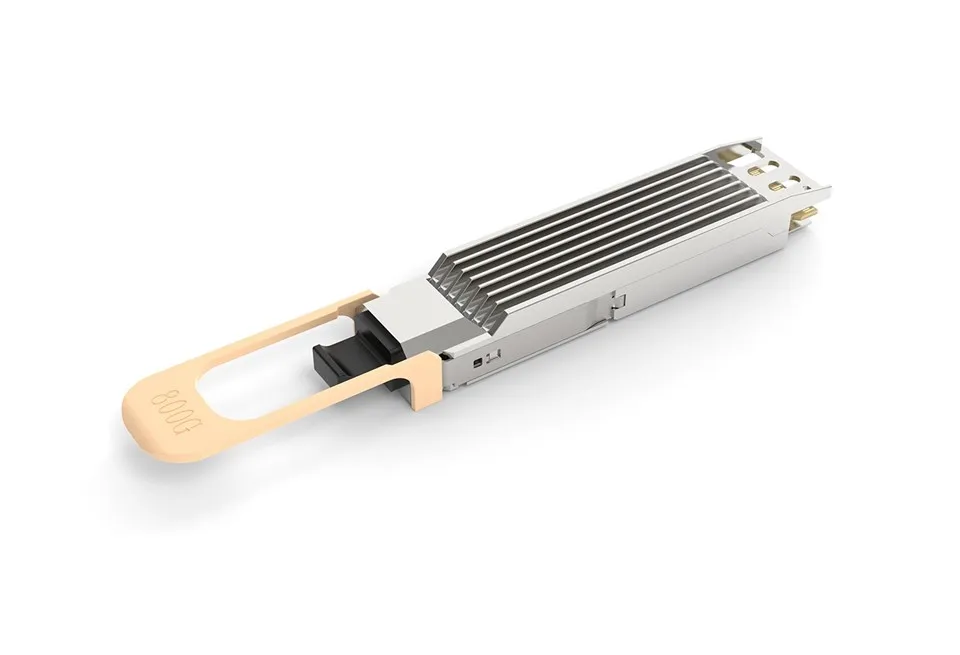
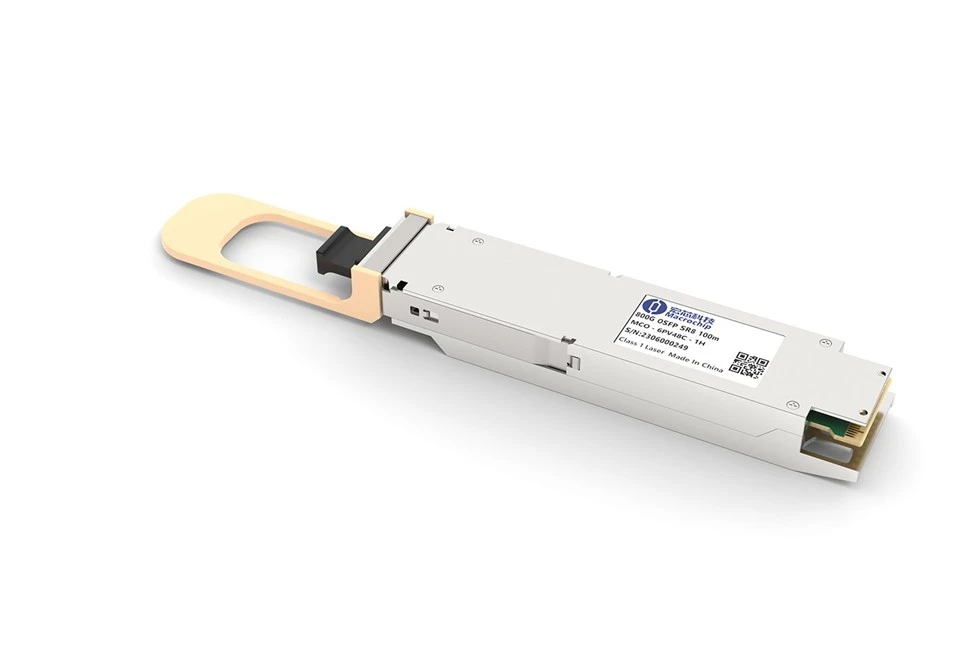
First off, let's understand the basics. The 800G OSFP DR8+ is a high - speed optical transceiver module designed for data center interconnects and other high - bandwidth applications. It's part of the 800G optical module family, which is revolutionizing the way we handle data transmission. You can learn more about the general 800G optical modules on this page: 800G Optical Module.
Now, onto the wavelength range. The 800G OSFP DR8+ typically operates in the C - band, which is a well - established and widely used part of the optical spectrum for telecommunications. The C - band wavelength range is approximately from 1530 nm to 1565 nm. This specific range offers several advantages. For starters, the optical fibers we commonly use in the industry have relatively low attenuation in this band. That means the light signals can travel longer distances without losing too much strength.
In the case of the 800G OSFP DR8+, it uses eight different wavelengths within this C - band range. Each of these wavelengths is used to carry a separate data stream. By multiplexing these eight wavelengths together, we can achieve an aggregate data rate of 800 gigabits per second. This wavelength - division multiplexing (WDM) technology is the secret sauce that makes the 800G OSFP DR8+ so powerful.
Comparing it with other 800G optical transceivers in our product line, like the 800G OSFP 2×FR4 and 800G OSFP SR8, they have different wavelength characteristics and use cases. The 800G OSFP 2×FR4 is more focused on shorter - to - medium - distance links, and its wavelength configuration is optimized for that purpose. On the other hand, the 800G OSFP SR8 is designed for short - reach applications, usually within a data center, and might operate in a different part of the spectrum compared to the DR8+.
Let's talk a bit about the importance of the wavelength range. In a data center environment, where there are multiple optical transceivers working side by side, having a well - defined and standardized wavelength range is crucial. It ensures compatibility between different devices and reduces the chances of interference. When all the 800G OSFP DR8+ modules operate within the specified C - band range, they can coexist peacefully and work together to keep the data flowing smoothly.
Another aspect to consider is the future scalability. As data center requirements continue to grow, the ability to expand the network without major overhauls is essential. The C - band offers some headroom for future upgrades. We can potentially add more wavelengths or increase the data rate per wavelength in the future, all while still using the existing fiber infrastructure.
Now, you might be wondering about the technology behind maintaining these precise wavelengths. Inside the 800G OSFP DR8+ module, there are highly accurate lasers and wavelength control mechanisms. These lasers are designed to emit light at very specific wavelengths within the C - band. The wavelength control circuits constantly monitor and adjust the output of the lasers to ensure they stay within the desired range, even as the temperature and other environmental conditions change.
When it comes to installation and deployment, understanding the wavelength range is also important. Network engineers need to make sure that the optical fibers they use are compatible with the C - band. They also need to properly configure the multiplexers and demultiplexers to ensure that the different wavelengths are combined and separated correctly.
In addition to the technical details, there are also some practical considerations. For example, the cost of the components that operate in the C - band has come down significantly over the years. This makes the 800G OSFP DR8+ a cost - effective solution for high - speed data transmission. The widespread availability of C - band components also means that it's easier to source replacement parts if needed.
So, in summary, the 800G OSFP DR8+ operates in the C - band with a wavelength range of approximately 1530 nm to 1565 nm. This range offers low attenuation, scalability, and compatibility, making it an ideal choice for high - speed data center interconnects.
If you're in the market for high - speed optical transceivers and are interested in the 800G OSFP DR8+, we'd love to have a chat with you. Whether you're building a new data center or upgrading an existing one, our team of experts can help you find the right solution for your needs. Reach out to us to start a procurement discussion, and let's work together to take your network to the next level.
References:
- Telecommunication Industry Standards on Optical Transceivers
- Technical Documentation of 800G OSFP DR8+ Products