

Hey there! As a supplier of 400G QSFP - DD LR4 modules, I've seen firsthand how power consumption can be a real pain point in network setups. In this blog, I'm gonna share some tips on how to reduce the power consumption of these 400G QSFP - DD LR4 modules in a network.
Understanding the Basics of 400G QSFP - DD LR4
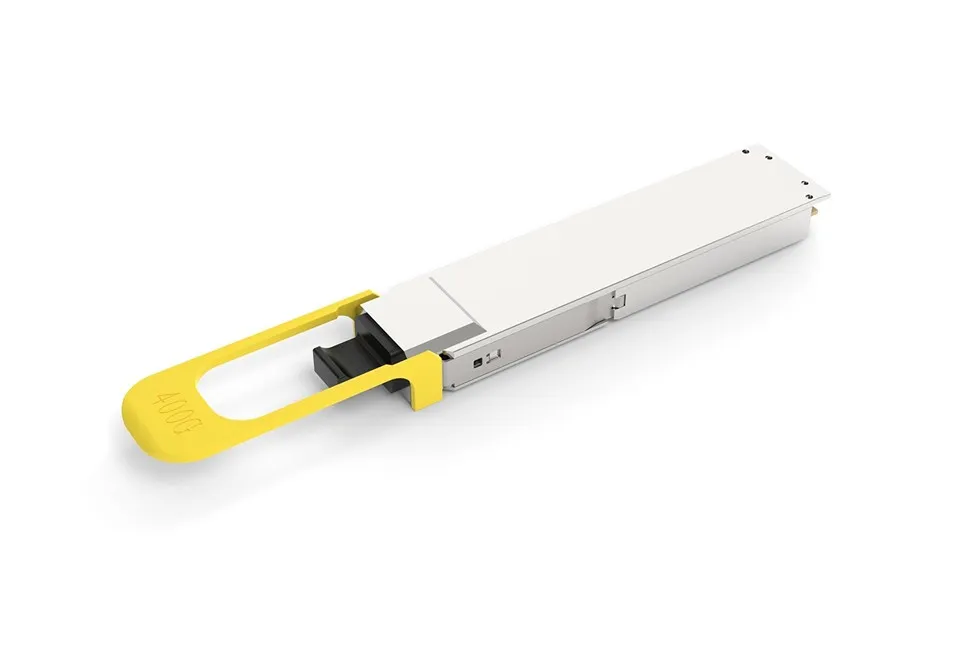
Before we dive into the power - saving strategies, let's quickly go over what 400G QSFP - DD LR4 is. It's a high - speed optical transceiver module that can support data rates up to 400Gbps over a single - mode fiber for distances up to 10 kilometers. These modules are widely used in data centers and telecom networks to meet the ever - growing demand for high - bandwidth communication.
But here's the catch: they consume a fair amount of power. And in large - scale network deployments, that power consumption can add up quickly, leading to higher energy bills and more heat generation, which in turn requires more cooling. So, finding ways to cut down on power use is crucial.
Optimize the Network Environment
One of the first things you can do is to optimize the network environment where the 400G QSFP - DD LR4 modules are installed. Temperature plays a big role in power consumption. These modules tend to use more power when the ambient temperature is high. So, make sure your data center or network room has proper cooling systems in place. Keep the temperature within the recommended range specified by the module manufacturer.
Also, consider the humidity levels. High humidity can cause electrical components to malfunction and may increase power consumption as the module tries to compensate for the adverse conditions. Use dehumidifiers if necessary to maintain an optimal humidity level.
Choose the Right Network Equipment
The network equipment you pair with the 400G QSFP - DD LR4 modules matters a lot. Make sure the switches, routers, and other devices are compatible with the modules and are energy - efficient themselves. Some network equipment is designed to work in harmony with high - speed transceivers, adjusting power usage based on the actual traffic load.
For example, if you're looking for alternative high - speed optical transceiver options, you might check out 400G OSFP DR4 or 400G OSFP SR4. These modules may have different power consumption profiles and could be a better fit for your specific network requirements.

Implement Power - Saving Features
Most modern 400G QSFP - DD LR4 modules come with built - in power - saving features. These features can significantly reduce power consumption without sacrificing performance.
One such feature is the low - power mode. When the network traffic is light, the module can automatically switch to a low - power state, consuming less energy. Check the documentation of your 400G QSFP - DD LR4 modules to see if they support this feature and how to enable it.
Another useful feature is the sleep mode. If the module is not in use for an extended period, it can enter sleep mode, which further reduces power consumption. You can configure the module to enter sleep mode after a certain period of inactivity.
Traffic Management
Proper traffic management can also help reduce power consumption. By optimizing the network traffic, you can ensure that the 400G QSFP - DD LR4 modules are not over - working.
Use traffic shaping and quality of service (QoS) techniques to prioritize important traffic and limit the bandwidth of less critical applications. This way, the modules don't have to handle unnecessary data, which can save power.
For instance, if you have a network with a mix of real - time video streaming and background data transfers, you can prioritize the video streaming traffic while throttling the background transfers during peak hours.
Consider Upgrading to Newer Technologies
Technology is evolving at a rapid pace, and newer versions of high - speed optical transceivers may offer better power efficiency. For example, QSFP112 is a newer technology that might consume less power compared to the 400G QSFP - DD LR4 while still providing high - speed connectivity.
Keep an eye on the latest developments in the industry and evaluate whether upgrading to newer technologies makes sense for your network. It might require an initial investment, but the long - term savings in power consumption could be significant.
Regular Maintenance and Monitoring
Regular maintenance of the 400G QSFP - DD LR4 modules is essential to ensure they are operating at peak efficiency. Clean the optical connectors regularly to prevent dust and debris from affecting the signal quality. A poor signal can cause the module to use more power as it tries to compensate for the loss.
Also, set up a monitoring system to keep track of the power consumption of the modules. By analyzing the power usage data over time, you can identify any abnormal patterns and take corrective actions. For example, if you notice a sudden increase in power consumption, it could indicate a problem with the module or the network environment.
Conclusion
Reducing the power consumption of 400G QSFP - DD LR4 modules in a network is a multi - faceted challenge, but it's definitely achievable. By optimizing the network environment, choosing the right equipment, implementing power - saving features, managing traffic effectively, considering technology upgrades, and performing regular maintenance and monitoring, you can significantly cut down on power usage.
If you're interested in learning more about our 400G QSFP - DD LR4 modules or want to discuss how to optimize power consumption in your network, feel free to reach out. We're here to help you find the best solutions for your network needs.
References
- Industry reports on high - speed optical transceivers
- Manufacturer's documentation for 400G QSFP - DD LR4 modules
- Technical papers on network power management