

Hey there! As a supplier of 400G OSFP FR4, I often get asked if these transceivers can be used in high - altitude environments. Let's dig into this topic and find out.
First off, what's a 400G OSFP FR4? It's a high - speed optical transceiver that can support data rates up to 400 gigabits per second. It's based on the OSFP (Octal Small Form - factor Pluggable) form factor, which is designed for high - density applications. The "FR4" part means it's optimized for 400G Ethernet over single - mode fiber (SMF) up to a distance of about 2 kilometers. You can check out more details about Single Mode Optical Module on our website.
Now, let's talk about high - altitude environments. High - altitude areas usually have lower air pressure, lower temperatures, and higher levels of radiation compared to sea - level areas. These factors can have an impact on the performance and reliability of electronic devices, including optical transceivers like the 400G OSFP FR4.
Impact of Lower Air Pressure
Lower air pressure at high altitudes can affect the cooling of electronic components. In a normal environment, air helps to dissipate heat from the transceiver. But at high altitudes, the thinner air is less effective at carrying away heat. This means that the 400G OSFP FR4 might run hotter than it would at sea level.
Most 400G OSFP FR4 transceivers are designed to operate within a certain temperature range. If the transceiver overheats due to poor cooling, it can lead to performance degradation. For example, the signal quality might decrease, resulting in higher bit - error rates. In extreme cases, overheating can even cause permanent damage to the transceiver.
However, many modern 400G OSFP FR4 transceivers are built with advanced thermal management systems. These systems can help to mitigate the effects of poor cooling at high altitudes. For instance, they might use heat sinks or fans to improve heat dissipation. So, while lower air pressure is a concern, it doesn't necessarily mean that the 400G OSFP FR4 can't be used in high - altitude environments.
Impact of Lower Temperatures
On the flip side, high - altitude areas often have lower temperatures. While this might seem like a good thing for cooling, it can also cause problems. Some components in the 400G OSFP FR4, such as the laser diodes, might not function properly at very low temperatures.
Laser diodes are crucial for the operation of optical transceivers. They convert electrical signals into optical signals. At low temperatures, the performance of laser diodes can be affected. Their output power might decrease, and the wavelength of the emitted light might shift. This can lead to signal loss and reduced transmission quality.
But again, manufacturers are aware of these issues. Many 400G OSFP FR4 transceivers are designed to operate within a wide temperature range. They might have built - in temperature compensation circuits that can adjust the performance of the laser diodes based on the ambient temperature. So, as long as the temperature doesn't drop below the specified operating range of the transceiver, it should still work fine.
Impact of Higher Radiation
High - altitude areas are exposed to higher levels of radiation, especially cosmic radiation. Radiation can cause single - event effects (SEE) in electronic components. These effects can range from temporary glitches to permanent damage.
In the case of 400G OSFP FR4 transceivers, radiation - induced SEE can cause bit flips in the data being transmitted. This can lead to errors in the communication link. To protect against radiation, some transceivers are designed with radiation - hardened components. These components are more resistant to the effects of radiation and can help to ensure the reliability of the transceiver in high - altitude environments.
Real - World Applications
Despite these challenges, there are many real - world applications where 400G OSFP FR4 transceivers are used in high - altitude environments. For example, in mountainous regions where data centers are being built to take advantage of the natural cooling provided by the lower temperatures. These data centers need high - speed connectivity, and 400G OSFP FR4 transceivers can provide the necessary bandwidth.
Another example is in aerospace applications. Satellites and high - altitude drones often require high - speed data transmission. 400G OSFP FR4 transceivers can be used to meet these requirements, although they need to be specially designed to withstand the harsh conditions of space and high - altitude flight.
Comparison with Other Transceivers
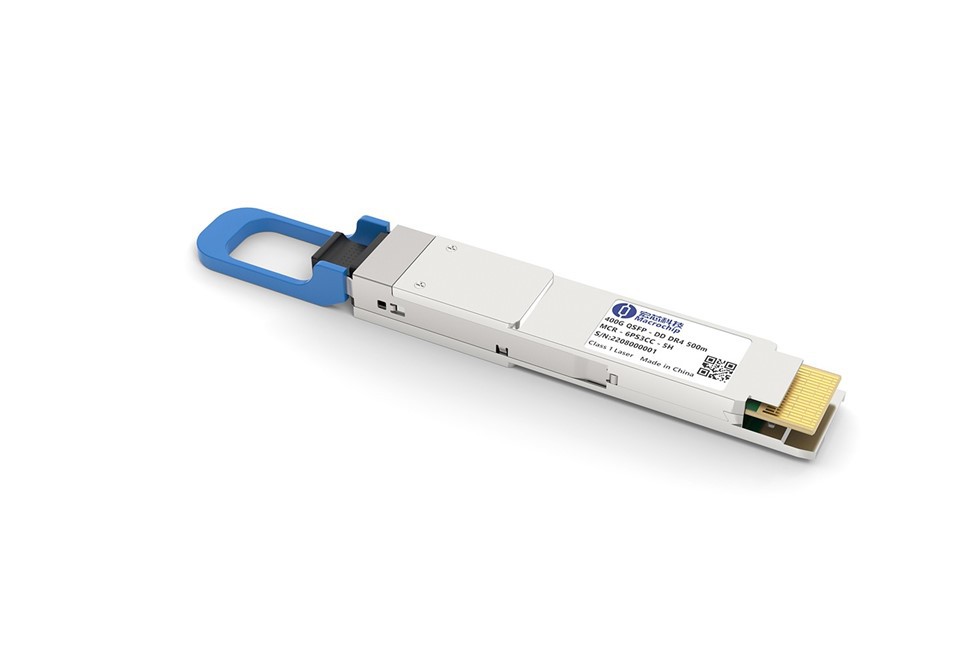
When considering using a transceiver in a high - altitude environment, it's also worth comparing the 400G OSFP FR4 with other types of transceivers. For example, 400G QSFP - DD DR4 and 400G DR4 are also popular 400G transceivers.
The 400G QSFP - DD DR4 has a different form factor compared to the 400G OSFP FR4. It might have different thermal characteristics and radiation resistance. Similarly, the 400G DR4 is another option that might be more or less suitable for high - altitude environments depending on its design.

Conclusion
So, can 400G OSFP FR4 be used in high - altitude environments? The answer is yes, but with some considerations. While the lower air pressure, lower temperatures, and higher radiation at high altitudes can pose challenges, modern 400G OSFP FR4 transceivers are often designed to handle these conditions to a certain extent.
If you're planning to use 400G OSFP FR4 transceivers in a high - altitude environment, it's important to choose a transceiver that is suitable for the specific conditions. You should also consider factors such as the operating temperature range, thermal management system, and radiation resistance of the transceiver.
If you're interested in purchasing 400G OSFP FR4 transceivers or have any questions about their use in high - altitude environments, feel free to contact us. We're here to help you find the best solution for your needs.
References
- "Optical Transceiver Technology and Applications" - A comprehensive book on optical transceivers.
- Manufacturer datasheets for 400G OSFP FR4, 400G QSFP - DD DR4, and 400G DR4 transceivers.
- Research papers on the effects of high - altitude environments on electronic devices.