

The optical input power range is a crucial parameter for any optical transceiver, and it plays a significant role in determining the performance and reliability of the device. As a supplier of the QDD 400G LR4 10, I am often asked about the optical input power range of this particular product. In this blog post, I will delve into the details of the optical input power range of the QDD 400G LR4 10, explaining what it is, why it matters, and how it impacts the overall functionality of the transceiver.
Understanding Optical Input Power Range
Before we dive into the specifics of the QDD 400G LR4 10, let's first understand what optical input power range means. In the context of optical transceivers, the optical input power range refers to the minimum and maximum levels of optical power that the transceiver can receive and process effectively. This range is typically measured in decibels relative to one milliwatt (dBm).
The optical input power range is important because it determines the compatibility of the transceiver with different optical networks and fiber optic cables. If the input power is too low, the transceiver may not be able to detect the optical signal accurately, leading to data loss or errors. On the other hand, if the input power is too high, it can cause damage to the transceiver's internal components, resulting in a shortened lifespan or complete failure of the device.
Optical Input Power Range of QDD 400G LR4 10
The QDD 400G LR4 10 is a high - performance optical transceiver designed for long - reach applications. It is part of the QSFP - DD form factor, which is widely used in data centers and high - speed networking environments. The optical input power range of the QDD 400G LR4 10 is typically specified as - 3 dBm to - 14 dBm.
This range is carefully calibrated to ensure optimal performance in a variety of long - reach scenarios. The lower limit of - 14 dBm allows the transceiver to operate effectively even in situations where the optical signal has been attenuated over a long distance. The upper limit of - 3 dBm protects the transceiver from damage caused by excessive optical power.
Importance of the Optical Input Power Range for QDD 400G LR4 10
The specified optical input power range of the QDD 400G LR4 10 is essential for several reasons. Firstly, it ensures compatibility with a wide range of optical networks. Different fiber optic cables and network equipment may have different levels of signal attenuation. The QDD 400G LR4 10's input power range allows it to work with these variations, making it a versatile choice for various networking setups.
Secondly, the defined input power range helps in maintaining the reliability and longevity of the transceiver. By operating within the specified range, the internal components of the QDD 400G LR4 10 are protected from over - stress, reducing the risk of premature failure. This is particularly important in data center environments where downtime can be extremely costly.
Comparison with Other 400G Transceivers
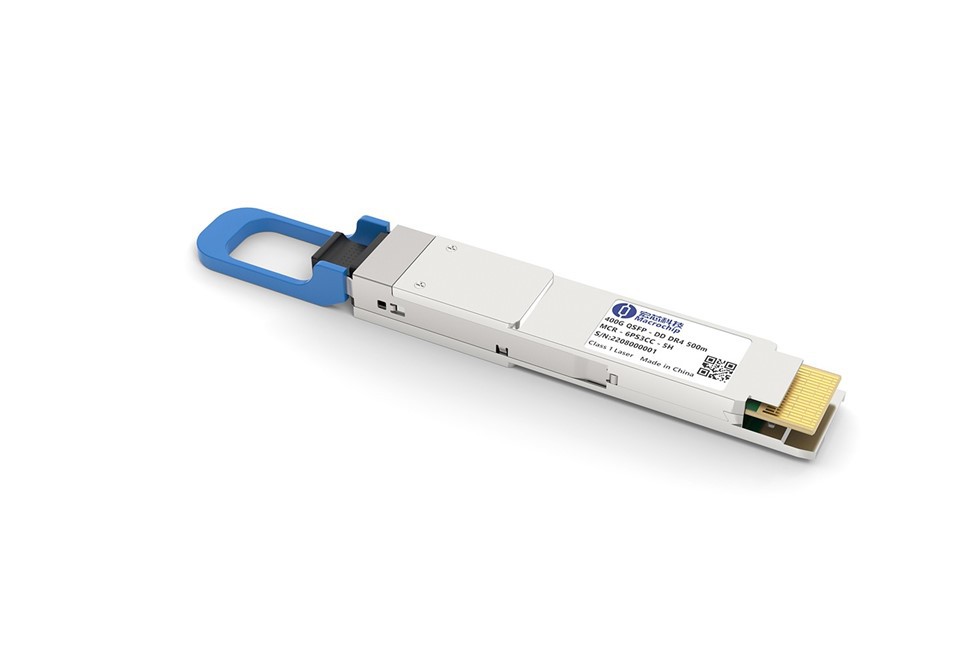
To better understand the significance of the QDD 400G LR4 10's optical input power range, let's compare it with other popular 400G transceivers. For example, the 400G QSFP - DD DR4 is designed for short - reach applications. Its optical input power range may be different from that of the QDD 400G LR4 10, as it is optimized for different network distances and signal strengths.
The QSFP DD SR8 is another 400G transceiver, which is also used for short - reach connections. Similar to the 400G QSFP - DD DR4, its input power requirements are tailored to its specific application. In contrast, the QDD 400G LR4 10's input power range is optimized for long - reach, ensuring stable performance over extended distances.

Factors Affecting the Optical Input Power Range
Several factors can affect the optical input power range of the QDD 400G LR4 10. One of the primary factors is the type of fiber optic cable used. Different cables have different levels of attenuation, which can impact the amount of optical power that reaches the transceiver. For example, single - mode fiber (SMF) is commonly used for long - reach applications, but it may have different attenuation characteristics compared to multi - mode fiber (MMF).
The quality of the optical connectors also plays a role. Poorly installed or damaged connectors can cause additional signal loss, reducing the effective input power at the transceiver. Environmental factors such as temperature and humidity can also affect the performance of the transceiver and its ability to handle different levels of optical power.
Ensuring Optimal Performance
To ensure that the QDD 400G LR4 10 operates within its specified optical input power range, it is important to take several precautions. Firstly, proper installation of the transceiver and the associated fiber optic cables is crucial. This includes using high - quality connectors and ensuring that the cables are properly terminated.
Regular monitoring of the optical power levels is also recommended. This can be done using optical power meters, which can provide real - time information about the input power. If the power levels are outside the specified range, appropriate measures can be taken, such as adjusting the optical signal strength or replacing damaged components.
Conclusion
In conclusion, the optical input power range of the QDD 400G LR4 10 is a critical parameter that determines its performance and compatibility in long - reach optical networks. The specified range of - 3 dBm to - 14 dBm is carefully calibrated to ensure optimal operation and protection of the transceiver's internal components.
As a supplier of the QDD 400G LR4 10, we are committed to providing high - quality products that meet the demanding requirements of modern networking environments. If you are interested in learning more about our QDD 400G LR4 10 or other QSFP DD LR4 products, or if you have any questions regarding optical input power ranges or other technical aspects, we encourage you to contact us for a detailed discussion and potential procurement.
References
- Industry standards for optical transceivers
- Technical documentation of QDD 400G LR4 10
- Research papers on optical networking and transceiver performance