

As a leading supplier of 800G OSFP DR8+ products, I've spent a significant amount of time exploring and understanding the mechanical durability of these cutting - edge optical transceivers. In this blog, I'll share in - depth insights into what mechanical durability means for 800G OSFP DR8+ and why it's crucial in today's high - speed networking landscape.
Importance of Mechanical Durability in Optical Transceivers
In the world of high - speed data transmission, optical transceivers like the 800G OSFP DR8+ play a pivotal role. They are the workhorses that enable the seamless transfer of vast amounts of data across networks. However, their performance is not just about data rates and signal quality; mechanical durability is equally important.
A durable optical transceiver can withstand the rigors of daily use, including repeated insertions and removals, vibrations, and temperature fluctuations. These factors are common in data centers, telecommunications rooms, and other networking environments. If an optical transceiver lacks mechanical durability, it may experience physical damage, which can lead to poor performance, signal loss, and even complete failure.
Understanding the 800G OSFP DR8+
Before delving into its mechanical durability, let's briefly understand what the 800G OSFP DR8+ is. The 800G OSFP DR8+ is a type of high - speed optical transceiver designed to support data rates of up to 800 gigabits per second. It follows the OSFP (Octal Small Form - Factor Pluggable) form factor, which is known for its high - density and high - performance capabilities.
The "DR8+" in its name indicates that it uses Direct - Attach Copper (DAC) cables for short - to medium - distance data transmission. This makes it an ideal choice for data centers and other high - speed networking applications where high - bandwidth connections are required over relatively short distances. You can learn more about similar products like Optical Module 800G and 800G OSFP SR8 on our website.
Factors Affecting the Mechanical Durability of 800G OSFP DR8+
1. Material Quality
The materials used in the construction of the 800G OSFP DR8+ have a significant impact on its mechanical durability. High - quality plastics, metals, and other components are essential for withstanding physical stress. For example, the housing of the transceiver should be made of a strong and durable plastic that can resist cracking and deformation. The connectors should be made of high - grade metals that can maintain good electrical conductivity even after repeated insertions and removals.
2. Design and Manufacturing Precision
The design of the 800G OSFP DR8+ also plays a crucial role in its mechanical durability. A well - designed transceiver will have a robust structure that can distribute stress evenly across its components. This reduces the risk of damage during handling and operation. Additionally, precise manufacturing processes ensure that all components fit together perfectly, minimizing the chances of loose connections or misalignments.
3. Environmental Conditions
The environmental conditions in which the 800G OSFP DR8+ operates can also affect its mechanical durability. Temperature, humidity, and vibration are some of the key environmental factors. High temperatures can cause the materials to expand, while low temperatures can make them brittle. Humidity can lead to corrosion of the metal components, and vibrations can cause loose connections. Therefore, the transceiver should be designed to withstand a wide range of environmental conditions.

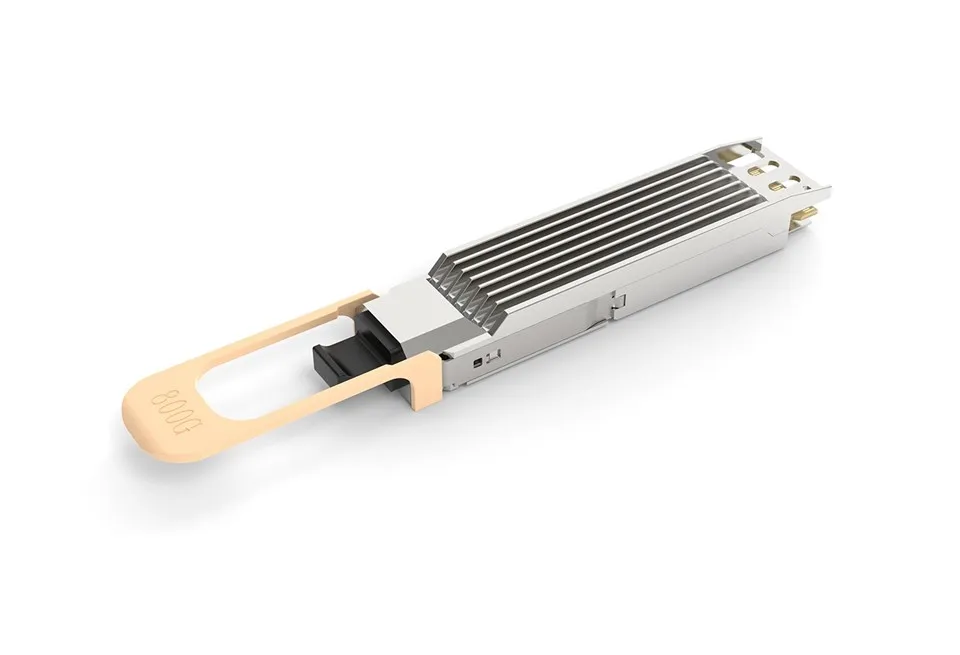
Testing the Mechanical Durability of 800G OSFP DR8+
To ensure the mechanical durability of our 800G OSFP DR8+ products, we conduct a series of rigorous tests. These tests simulate real - world conditions and help us identify any potential weaknesses in the design or manufacturing process.
1. Insertion and Removal Cycles
One of the most important tests is the insertion and removal cycle test. This test involves repeatedly inserting and removing the transceiver from a compatible port to simulate the normal use in a networking environment. We typically conduct thousands of insertion and removal cycles to ensure that the connectors and other components can withstand the stress without any significant degradation.
2. Vibration and Shock Tests
Vibration and shock tests are also conducted to evaluate the transceiver's ability to withstand physical movement. In these tests, the transceiver is subjected to various levels of vibration and shock, and its performance is monitored. If the transceiver can maintain its functionality and signal quality under these conditions, it indicates good mechanical durability.
3. Temperature and Humidity Tests
Temperature and humidity tests are used to assess the transceiver's performance under different environmental conditions. The transceiver is placed in a controlled environment chamber where the temperature and humidity can be adjusted. We test the transceiver at different temperature and humidity levels to ensure that it can operate reliably in a wide range of conditions.
Benefits of High Mechanical Durability in 800G OSFP DR8+
1. Reduced Downtime
A transceiver with high mechanical durability is less likely to fail, which means reduced downtime for the network. In a data center or other critical networking environment, even a short period of downtime can result in significant financial losses. By using a durable 800G OSFP DR8+, network operators can minimize the risk of downtime and ensure continuous operation.
2. Lower Maintenance Costs
Durable transceivers require less maintenance and replacement. Since they can withstand the rigors of daily use, there is less need for frequent repairs or component replacements. This results in lower maintenance costs over the lifetime of the transceiver.
3. Improved Network Reliability
High mechanical durability also contributes to improved network reliability. A reliable network is essential for businesses to operate efficiently. By using a durable 800G OSFP DR8+, network operators can ensure that their networks are stable and can handle the high - speed data traffic without any interruptions.
Conclusion
In conclusion, the mechanical durability of the 800G OSFP DR8+ is a critical factor that affects its performance and reliability. As a supplier, we understand the importance of providing high - quality products that can withstand the challenges of modern networking environments. Our 800G OSFP DR8+ products are designed and manufactured with the highest standards of mechanical durability in mind.
If you are interested in learning more about our OSFP 800G products or have any questions about the mechanical durability of the 800G OSFP DR8+, please feel free to contact us. We are always ready to assist you with your networking needs and look forward to discussing potential procurement opportunities with you.
References
- Industry standards and specifications for optical transceivers.
- Research papers on the mechanical design and durability of high - speed networking components.
- Internal testing reports and data from our product development process.