

In the ever - evolving landscape of high - speed data transmission, latency is a critical factor that can significantly impact the performance of various applications, from data centers to telecommunications networks. As a QSFP 200G supplier, I am well - versed in the nuances of high - speed interfaces and their latency characteristics. In this blog, we will delve into a detailed comparison of the latency between QSFP 200G and other high - speed interfaces.
Understanding Latency in High - Speed Interfaces
Latency, in the context of high - speed interfaces, refers to the time delay between the transmission of a data packet and its reception. It is measured in nanoseconds (ns) or microseconds (μs) and can be influenced by several factors, including the physical layer design, signal processing algorithms, and the overall architecture of the interface.
Low latency is crucial for applications that require real - time data processing, such as financial trading, high - performance computing, and video conferencing. Even a small increase in latency can lead to significant performance degradation in these applications.
QSFP 200G: An Overview
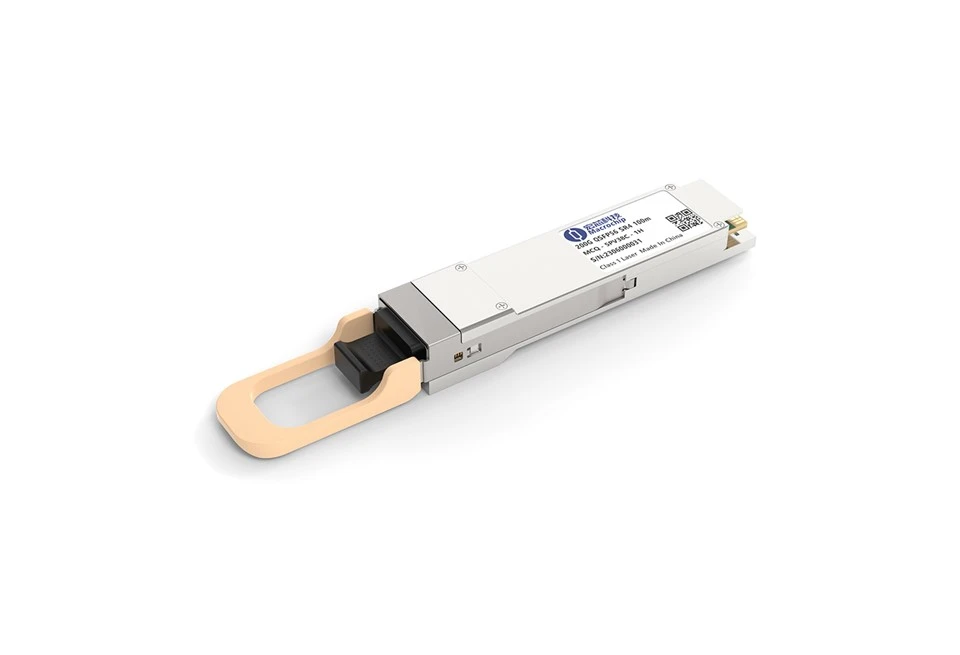
The QSFP 200G interface is a high - speed optical transceiver module that offers a data rate of up to 200 Gbps. It is based on the QSFP (Quad Small Form - factor Pluggable) form factor, which is widely used in data centers and telecommunications networks due to its compact size and high density.
The QSFP 200G interface uses advanced modulation techniques and signal processing algorithms to achieve high - speed data transmission with relatively low power consumption. It is available in different variants, such as 200G QSFP56 FR4 [200G QSFP56 FR4], which is designed for short - to medium - range optical links.
Latency Comparison with Other High - Speed Interfaces
1. QSFP 100G
The QSFP 100G interface is a predecessor of the QSFP 200G and offers a data rate of 100 Gbps. In general, the latency of QSFP 200G is comparable to that of QSFP 100G. However, due to the higher data rate of QSFP 200G, it can transmit more data in the same amount of time, which can result in lower effective latency for applications that require high - volume data transfer.
The signal processing algorithms in QSFP 200G are also optimized for high - speed operation, which helps to minimize the additional latency introduced by the higher data rate. For example, in a data center environment where large amounts of data need to be transferred between servers, the QSFP 200G can provide a more efficient solution with lower overall latency compared to QSFP 100G.
2. 400G Interfaces
400G interfaces, such as QSFP - DD 400G and OSFP 400G, offer even higher data rates than QSFP 200G. However, the higher data rate comes at the cost of increased complexity in signal processing and transmission.
In some cases, the latency of 400G interfaces can be slightly higher than that of QSFP 200G. This is because the 400G interfaces need to handle a larger amount of data in a shorter period, which requires more sophisticated signal processing algorithms. Additionally, the physical layer design of 400G interfaces may introduce more signal distortion and interference, which can further increase the latency.
However, it is important to note that the difference in latency between QSFP 200G and 400G interfaces is often negligible for many applications. In fact, for applications that do not require the full 400 Gbps data rate, the QSFP 200G can be a more cost - effective and latency - efficient solution.
3. Ethernet Interfaces
Traditional Ethernet interfaces, such as 1 Gbps and 10 Gbps Ethernet, have significantly higher latency compared to QSFP 200G. These interfaces are designed for lower data rates and use less advanced signal processing techniques.
As the data rate of Ethernet interfaces increases, the latency can be reduced. For example, 100 Gbps Ethernet interfaces have lower latency than 10 Gbps Ethernet interfaces. However, even the latest high - speed Ethernet interfaces still have higher latency compared to QSFP 200G.
The QSFP 200G interface is specifically designed for high - speed data transmission with low latency, making it a better choice for applications that require real - time data processing and high - volume data transfer.
Factors Affecting Latency in QSFP 200G
Several factors can affect the latency of QSFP 200G interfaces. These include:
1. Signal Processing
The signal processing algorithms used in QSFP 200G modules play a crucial role in determining the latency. Advanced algorithms can reduce the latency by minimizing the time required for error correction, modulation, and demodulation.
2. Optical Transmission
The optical transmission characteristics, such as the quality of the optical fiber and the distance of the link, can also affect the latency. Longer optical links may introduce more signal attenuation and dispersion, which can increase the latency.
3. Electrical Interface
The electrical interface between the QSFP 200G module and the host device can also contribute to the latency. A well - designed electrical interface can minimize the signal distortion and interference, which can help to reduce the latency.

Applications Benefiting from Low - Latency QSFP 200G
There are several applications that can benefit from the low - latency characteristics of QSFP 200G interfaces:
1. Financial Trading
In the financial trading industry, even a few nanoseconds of latency can make a significant difference in the profitability of trades. QSFP 200G interfaces can provide the low - latency data transmission required for high - frequency trading applications.
2. High - Performance Computing
High - performance computing (HPC) applications, such as scientific simulations and data analytics, require high - speed data transfer with low latency. QSFP 200G interfaces can help to improve the performance of HPC systems by reducing the time required for data transfer between processors and memory.
3. Video Streaming and Conferencing
Video streaming and conferencing applications require real - time data transmission to ensure smooth playback and interaction. QSFP 200G interfaces can provide the low - latency data transfer required for high - quality video streaming and conferencing.
Conclusion
As a QSFP 200G supplier, I have seen firsthand the benefits that this high - speed interface can offer in terms of low latency and high - speed data transmission. When compared to other high - speed interfaces, QSFP 200G provides a good balance between data rate, latency, and cost - effectiveness.
Whether you are in the financial trading industry, high - performance computing, or video streaming, the low - latency characteristics of QSFP 200G can help to improve the performance of your applications. If you are interested in learning more about our Optical Transmitter Module or 200G Transceiver products, or if you have any questions regarding latency and high - speed interfaces, please feel free to contact us for a procurement discussion.
References
- "High - Speed Optical Transceivers: Technology and Applications", IEEE Journal of Lightwave Technology.
- "Latency Analysis in High - Speed Data Networks", ACM SIGCOMM Conference on Applications, Technologies, Architectures, and Protocols for Computer Communication.
- "The Impact of Latency on Financial Trading Systems", Journal of Financial Markets.