

As a supplier of 400G QSFP-DD FR4 optical transceivers, I am often asked about the heat dissipation efficiency of these high - performance devices. In this blog, I will delve into the factors that affect the heat dissipation efficiency of 400G QSFP - DD FR4 modules, its importance in network operations, and how our products are designed to optimize this crucial aspect.
Understanding 400G QSFP - DD FR4
Before we discuss heat dissipation, let's briefly understand what 400G QSFP - DD FR4 is. The 400G QSFP - DD FR4 is a type of optical transceiver that supports a data rate of 400 Gigabits per second. It uses the QSFP - DD (Quad Small Form - factor Pluggable Double Density) form factor, which is a high - density, hot - pluggable interface designed for high - speed data communication. The "FR4" in its name indicates that it is designed for short - reach, multi - mode fiber connections over distances up to 2 kilometers.
This technology has become increasingly important in data centers, where there is a growing demand for higher bandwidth and faster data transfer rates. With the rise of cloud computing, big data analytics, and artificial intelligence, data centers need to handle large volumes of data in real - time, and 400G QSFP - DD FR4 transceivers play a vital role in meeting these requirements.
Why Heat Dissipation Efficiency Matters
Heat is a by - product of electrical and optical components in operation. In high - speed optical transceivers like 400G QSFP - DD FR4, the power consumption is relatively high due to the high data rates and the complexity of the internal circuitry. Excessive heat can have several negative impacts on the performance and lifespan of the transceiver:
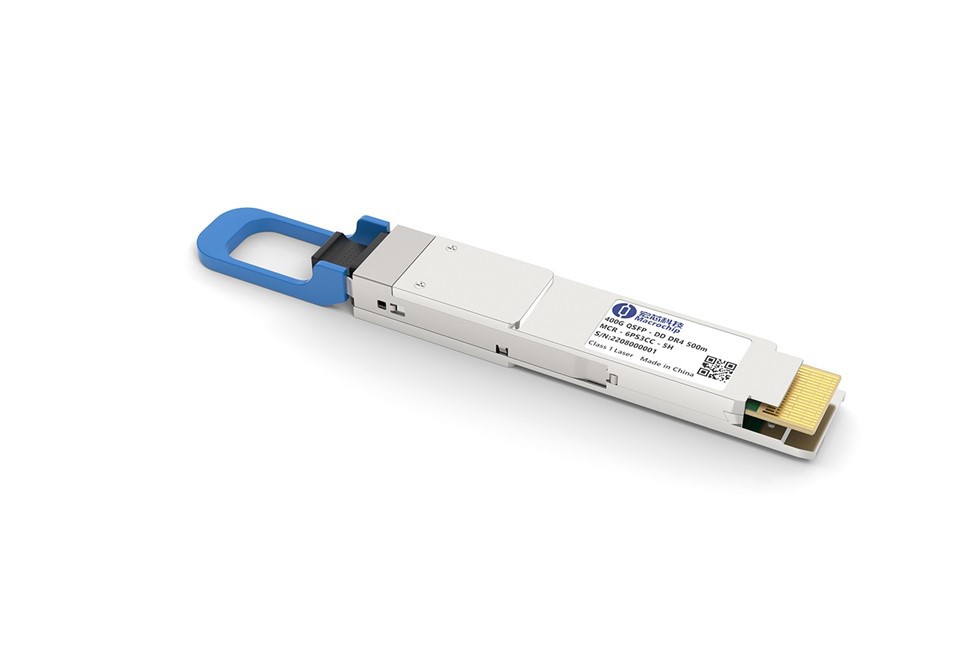

- Performance Degradation: High temperatures can cause the optical components to operate outside their optimal temperature range. This can lead to increased bit error rates, reduced signal strength, and overall degradation of the data transmission quality.
- Lifespan Reduction: Continuous operation at high temperatures can accelerate the aging process of the components. Electronic and optical parts are more likely to fail prematurely, which means more frequent replacements and higher maintenance costs for the end - users.
- System Stability: Overheating can also affect the stability of the entire network system. If one transceiver fails due to overheating, it can disrupt the data flow and potentially cause system outages.
Factors Affecting Heat Dissipation Efficiency
Several factors influence the heat dissipation efficiency of 400G QSFP - DD FR4 transceivers:
- Component Design: The internal design of the transceiver, including the layout of the printed circuit board (PCB), the placement of components, and the use of heat - conducting materials, can significantly affect heat dissipation. A well - designed PCB can ensure that heat is evenly distributed and efficiently transferred to the outer casing.
- Heat Sink and Housing: The heat sink is a critical component for dissipating heat. It is usually made of materials with high thermal conductivity, such as aluminum or copper. The housing of the transceiver also plays a role in heat dissipation. A well - ventilated housing can allow air to flow freely around the transceiver, carrying away heat.
- Ambient Temperature: The temperature of the environment in which the transceiver operates is also an important factor. In a hot data center environment, the transceiver will have a harder time dissipating heat. Therefore, proper cooling systems in data centers, such as air - conditioning or liquid - cooling, are essential.
Our Approach to Optimizing Heat Dissipation Efficiency
As a 400G QSFP - DD FR4 supplier, we have taken several measures to optimize the heat dissipation efficiency of our products:
- Advanced Component Design: We use state - of - the - art PCB design techniques to ensure that the components are arranged in a way that minimizes heat concentration. We also select high - quality components with low power consumption to reduce the amount of heat generated.
- High - Performance Heat Sinks: Our transceivers are equipped with high - performance heat sinks made of materials with excellent thermal conductivity. These heat sinks are designed to maximize the surface area for heat transfer, allowing heat to be dissipated more effectively.
- Optimized Housing Design: The housing of our 400G QSFP - DD FR4 transceivers is designed with ventilation holes and channels to promote air circulation. This helps to carry away heat from the internal components and maintain a lower operating temperature.
Comparing with Other Similar Products
When comparing our 400G QSFP - DD FR4 transceivers with other similar products in the market, such as QSFP DD DR4 and 400G QSFP - DD DR4, our products stand out in terms of heat dissipation efficiency.
The QSFP DD DR4 is also a high - speed optical transceiver, but it is designed for different applications, mainly for single - mode fiber connections over longer distances. While it has its own advantages, our 400G QSFP - DD FR4 transceivers are specifically optimized for short - reach, multi - mode fiber connections and have better heat dissipation performance in this context.
Our 400G QSFP - DD FR4 transceivers have been rigorously tested in various environmental conditions. The test results show that they can maintain a stable operating temperature even under high - load conditions, which ensures reliable data transmission and a longer lifespan.
Conclusion and Call to Action
In conclusion, heat dissipation efficiency is a crucial factor in the performance and reliability of 400G QSFP - DD FR4 optical transceivers. As a supplier, we understand the importance of this aspect and have taken comprehensive measures to optimize the heat dissipation of our products.
If you are looking for high - quality 400G QSFP - DD FR4 transceivers with excellent heat dissipation efficiency, we invite you to contact us for procurement and further discussions. Our team of experts is ready to provide you with detailed product information and technical support to meet your specific needs.
References
- "Optical Transceiver Technology and Applications" - A technical book on optical transceiver principles and applications.
- Industry whitepapers on high - speed data communication and data center technologies.